
Regent Street Disease and how to fix it
Regent Street Disease: The silent destroyer threatening your historic or commercial building.
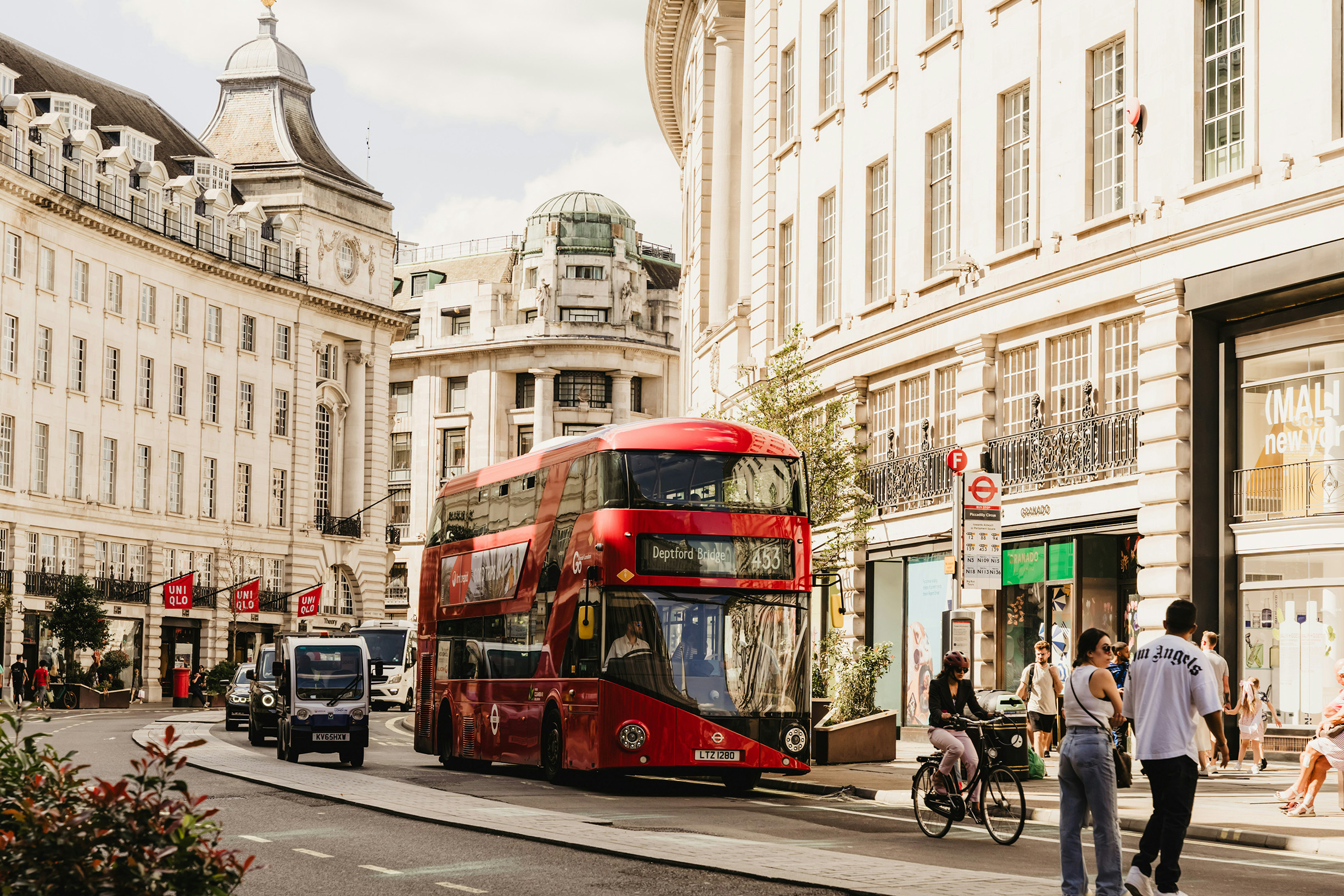
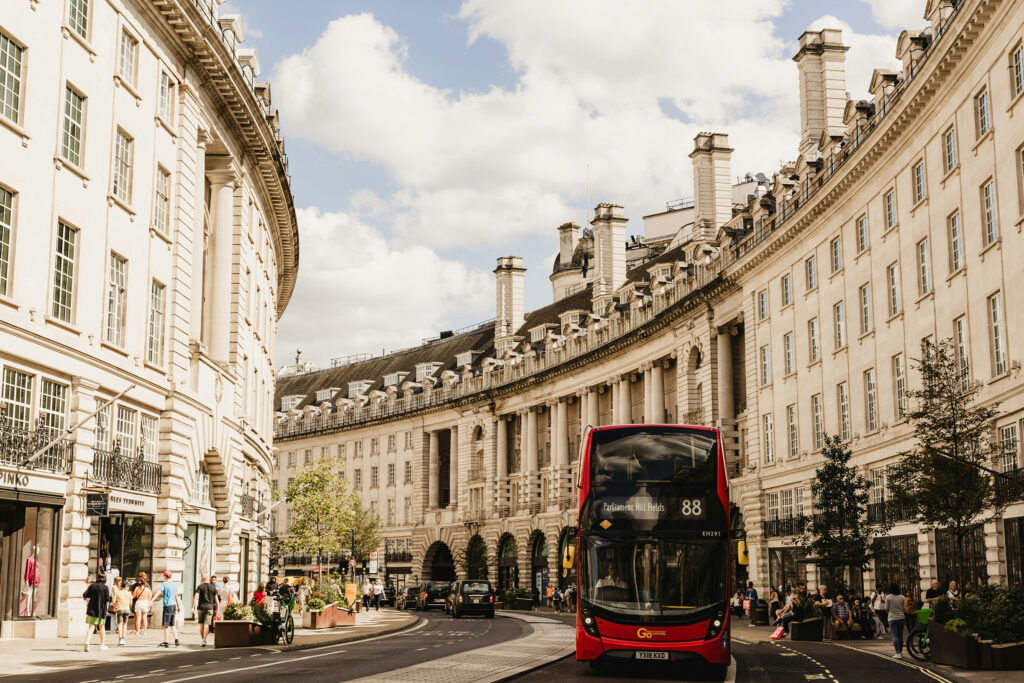
Officially known as Steel Frame Corrosion Regent Street Disease, as its name suggests, is synonymous with the famous street in the heart of London.
The truth, however, is far less glamorous and more widespread as it is also known as Deansgate Disorder (Manchester) and Frame Corrosion (Birmingham and Liverpool). It affects any masonry-clad, steel-framed building and not just those found on Regent Street.
WHAT IS REGENT STREET DISEASE?
Regent Street Disease occurs when the internal steel frame of a masonry-clad building begins to corrode. This construction method was most between the early 1900s and 1950.
From the 1950s onwards, a fuller understanding of the issue ensured that builders made allowances for a space between the steel frame and the masonry. However, throughout the first half of the 20th century, builders invariably packed masonry tight around the framework, leaving no room for the steel to expand.
The problem arises from the fact that stone, brick, and even terracotta are porous, which means that moisture can permeate the substrate of the building and eventually break down the steelwork. There is moisture everywhere – moisture from inside the building trying to get out, moisture in the residual air within the cavity itself and then the problematic moisture from external air and rain.
“The results of Regent Street Disease can be disastrous. The rusting steel can expand significantly, causing the surrounding masonry to ‘burst’, resulting in damage – and even injury or death – from falling masonry. Despite its comparative obscurity, this issue is threatening to become a national problem, as it is also prevalent in Bristol, Deansgate in Manchester and in large cities that expanded during the same era.”
Mark Styles, Managing Director, Styles Façade Solutions
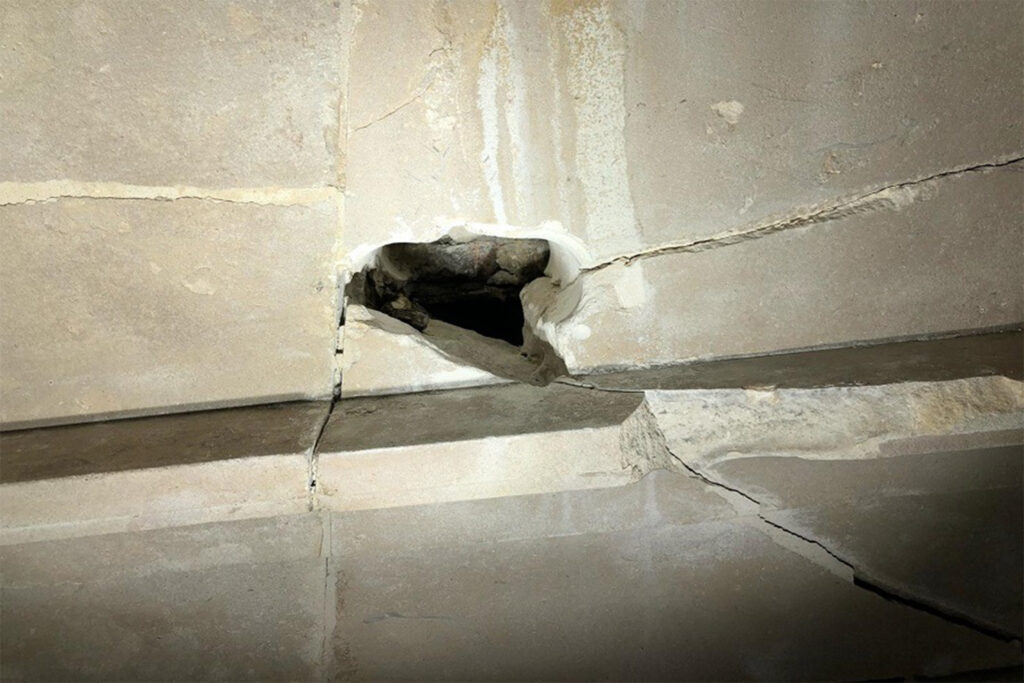
Regent Street Disease causing severe stone spalling and rust staining from corroded internal cramps. Left untreated, this deterioration worsens and risks structural damage. Styles Façade Solutions® can identify, assess, and remedy such defects, restoring façades safely while preventing further decay through expert, scaffold-free intervention methods.
IDENTIFYING THE SIGNS
Early identification of Regent Street Disease (RSD) is notoriously difficult. Often, the disease becomes noticeable only when the corrosion is advanced and has already fractured the surrounding masonry.
Furthermore, the build-up of urban grime and carbon pollutants can effectively mask the early signs of RSD. Our restoration team frequently find that once a building has undergone a façade gommage clean, these hidden structural issues are finally revealed, allowing for intervention before a catastrophic failure occurs.
REMEDIATION & TREATMENT
While there are temporary solutions – such as stitching loose masonry together with resin on fixed stainless-steel bars – these often only delay the inevitable. Permanent resolution typically involves one of the following specialist approaches:
- Full frame replacement: The façade is retained while the original steel frame is replaced with a new, purpose-built framework constructed back from the masonry. The masonry is then fixed to the new “web” using stainless steel secondary fixings.
- Repairing the façade steelwork: This is an extensive but effective method – provided it is carried out correctly. It involves removing the masonry cladding and the surface rust by blasting the existing steel before treating it with a protective coating/paint.
- Cathodic protection: A less invasive method that reduces the rate of corrosion by running a low-level electrical current through the corroded steelwork to neutralise the oxidation process.
Because Regent Street Disease is so difficult to detect, the importance of regular, professional façade inspections cannot be overstated.
Call our team TODAY for more information on +44 (0) 20 8453 1494, alternatively use the contact us form for how Styles Façade Solutions (formerly Thomann-Hanry®) façade surveying for commercial and heritage buildings for Regent Street Disease, can help identify and remediate Regent Street Disease on your building or property portfolio.