
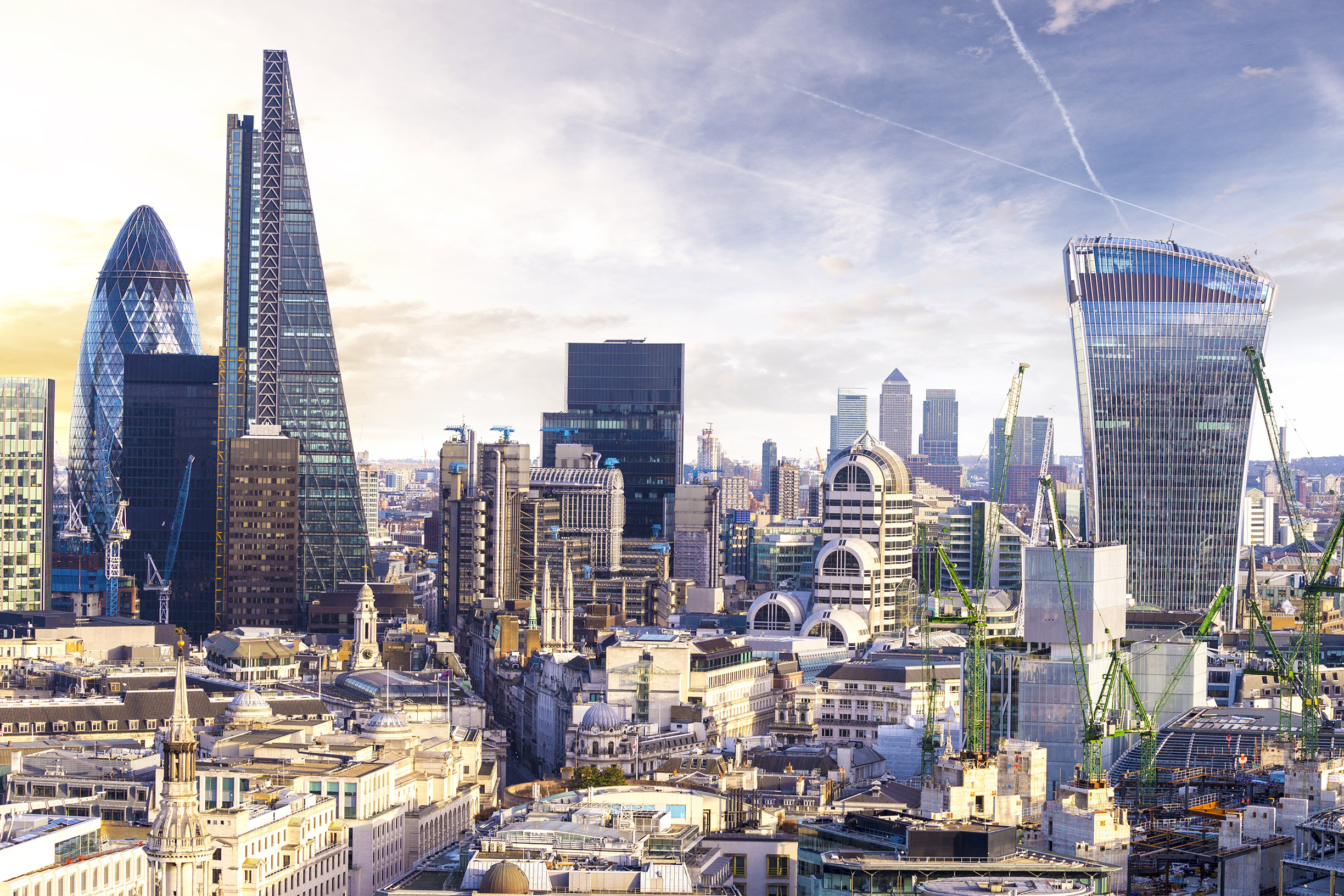
London: An architectural journey through time…
As one of the world’s great capitals, London’s illustrious history is reflected in nearly 2000 years of architecture. Less planned and coordinated than many of its European peers, such as Rome or Paris, London is a city of remarkable urban diversity, with countless architectural gems from every era.
“London, thou art the flower of cities all! Gemme of all joy, jasper of jocunditie.”
William Dunbar (1460–1520)
As internationally recognised experts in the surveying, cleaning, and restoration of building façades – both historical and contemporary – Styles Façade Solutions® (formerly Thomann-Hanry®) have worked on many of these wonderful structures. We are well-versed in the architectural movements that have shaped the cosmopolitan city we see today.
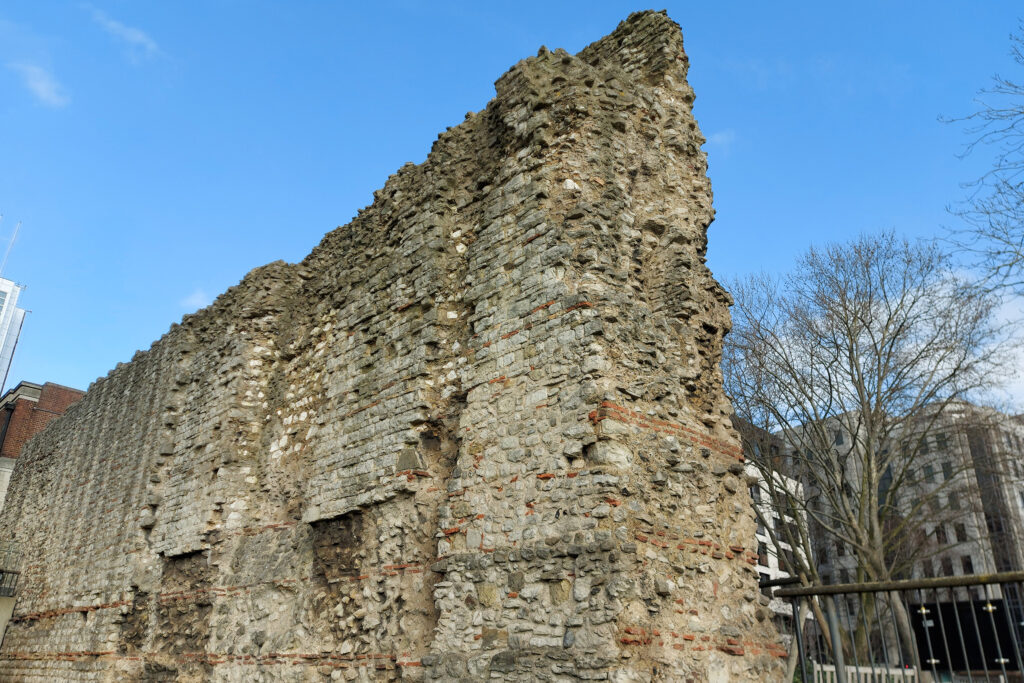
London's Roman Wall, built around 200 AD to defend the city of Londinium, once stretched nearly two miles. This surviving fragment, with its characteristic ragstone and brick banding, remains one of the few visible reminders of London's Roman origins still standing today. Ruins of the Roman Wall: Photo Credit Jamzze CC BY-SA 4.0
EARLY HISTORY (PRE-1066)
Prior to the formal settlement of Londinium by the invading Romans in 43 CE, the area surrounding the Thames was a wild and wooded landscape. While evidence of Celtic tribes can be found as far back as 6000 BCE, these were temporary settlements. After the withdrawal of the Romans in the 5th century, the city slowly started to dwindle, as the population returned to an agrarian lifestyle. It wasn’t until the 9th century that London reclaimed its status as the biggest city in what would become the UK.
As most buildings from this era were constructed of semi-permanent materials such as timber, wattle and daub, and other easily foraged materials, little remains in today’s city.
London architecture of the age: Ruins of the Roman Wall, All Hallows by the Tower.
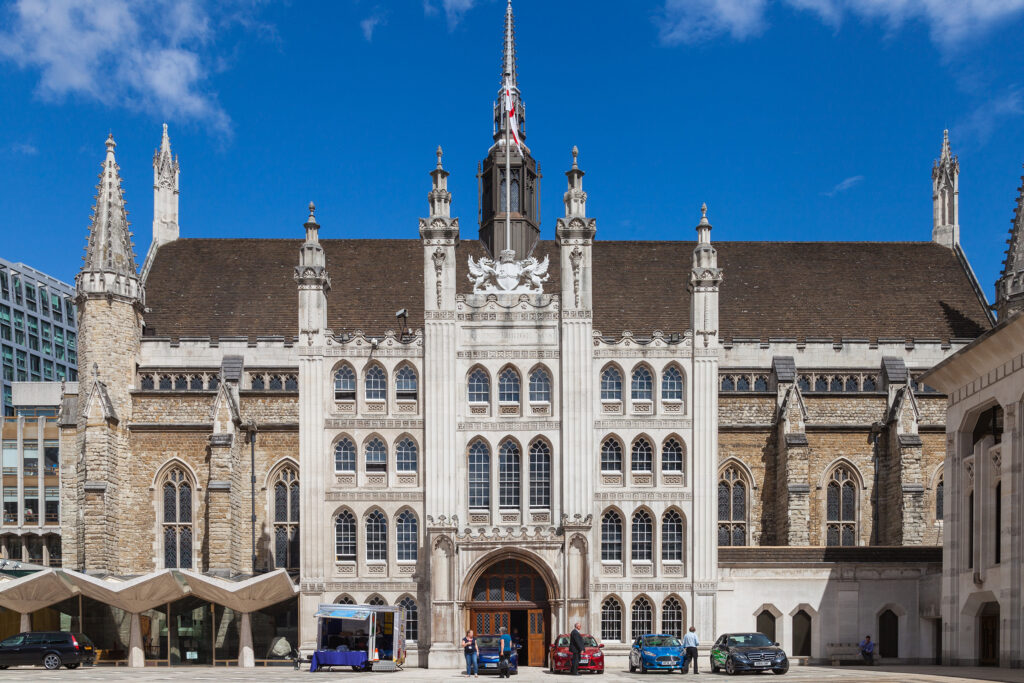
Guildhall, London, has served as the City of London's civic centre since medieval times, with the current building dating largely from 1411. Remarkably, it survived both the Great Fire of 1666 and the Blitz, remaining a working seat of local government and ceremony to this day. Guildhall: Photo Credit Diego Delso CC BY-SA 4.0
MEDIEVAL ARCHITECTURE LONDON (1066 –1485)
After the Norman Conquest in 1066, the capital moved from Winchester to London and the city saw its population significantly increase. During this period, construction began on some of the most iconic buildings, including the Tower of London and Westminster Abbey.
The Tower of London was constructed using Kentish Ragstone (a hard, grey Limestone) with fine decorative stones imported from France. For Westminster Abbey, a wide mixture of local and imported masonry was used, including Portland stone for the façade.
Portland stone remains a key building material across London. Styles Façade Solutions has extensive expertise in removing the build-up of dirt and grime on this substrate. Using our gentle, low-pressure, and scaffold-free Façade Gommage Cleaning process, we return soiled surfaces to their original appearance without the need for harsh chemicals or highly abrasive powders.
London architecture of the age: Guildhall, Westminster Abbey, Tower of London.
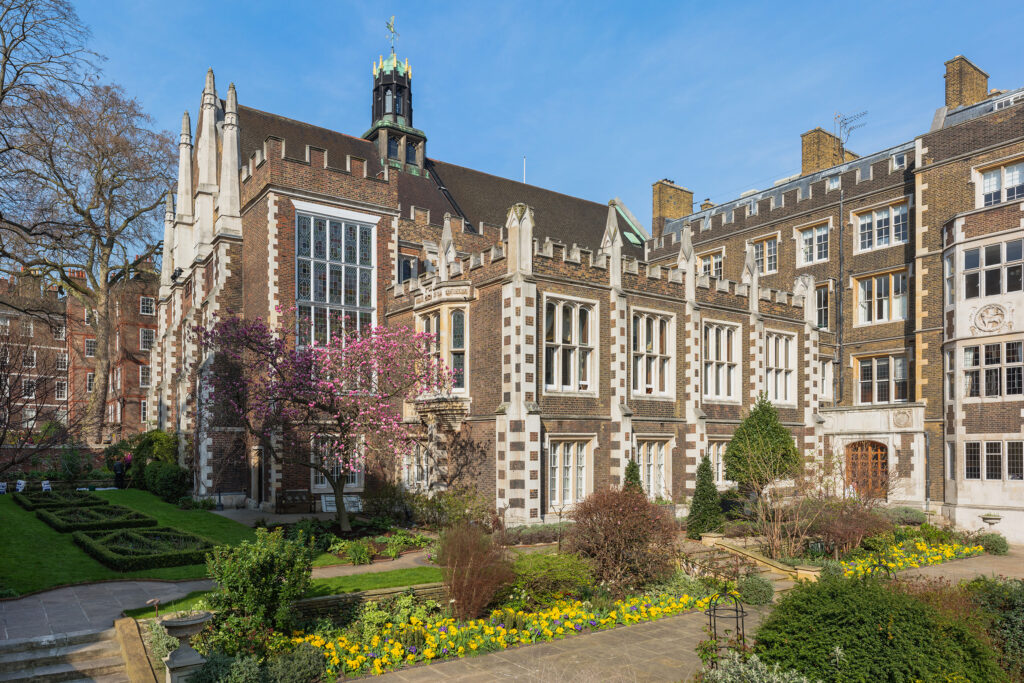
Middle Temple, one of London's four Inns of Court, traces its origins to the 14th century and the Knights Templar. Its historic Hall, completed in 1573, has trained barristers for centuries and reputedly hosted the first performance of Shakespeare's Twelfth Night in 1602. Middle Temple Inns of Court: Photo Credit Diliff CC BY-SA 3.0
TUDOR ARCHITECTURE LONDON (1485 – 1603)
Tudor architecture is synonymous with half-timbered frames, distinctive plaster infills (often black and white), steep roofs and prominent gables with large leaded-glass windows. The use of red brick for grand chimneys and even full façades (such as at Hampton Court) was a significant status symbol due to the high cost of production.
As the era evolved, Gothic traditional styles transitioned toward Renaissance motifs, grander proportions and more elaborate chimneys.
Styles Façade Solutions understands the need to regularly survey and inspect properties of this age to ensure small problems are caught early and mitigated before they escalate into costly structural concerns.
London architecture of the age: Inns of Court, Staple Inn, Henry VII Chapel.
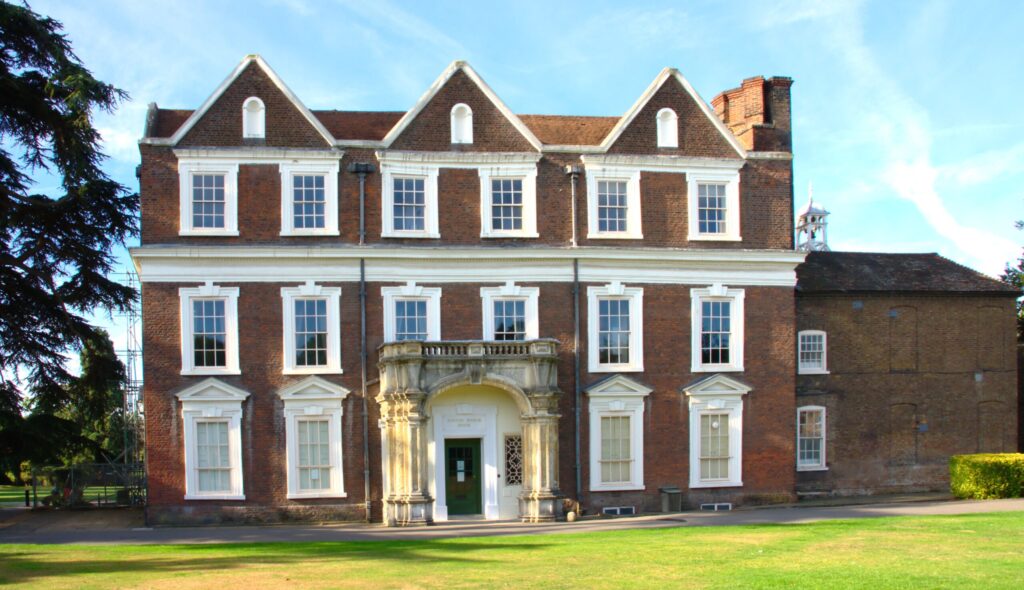
Boston Manor House, built in 1623 for Lady Mary Reade, is a fine example of Jacobean architecture in west London. Now owned by Hounslow Council, this Grade I listed building has been carefully restored and opened to the public, offering a glimpse into 17th-century domestic life. Boston Manor House: Photo Credit P.G.Champion CC BY-SA 2.0
STUART ARCHITECTURE LONDON (1603 – 1666)
A century after it was first developed in Italy, Classical architecture reached London. Inspired by the work of Venetian Renaissance luminary Andrea Palladio, Inigo Jones (1573 to 1652) championed these influences, seen in his designs of some of London’s oldest architectural treasures.
A defining example is the Banqueting House, Whitehall (1622). With its Palladian stylings of Tuscan porticos and classical piazzas echoing Roman origins, the building featured Portland stone, which has since become one of the defining and unifying materials of the capital to this day.
It is a substrate we are frequently called upon to clean, ensuring its attractive white-grey character is preserved through our gentle, low-pressure, and scaffold-free Façade Gommage Cleaning System.
London architecture of the age: Boston Manor House, Charlton House, Forty Hall
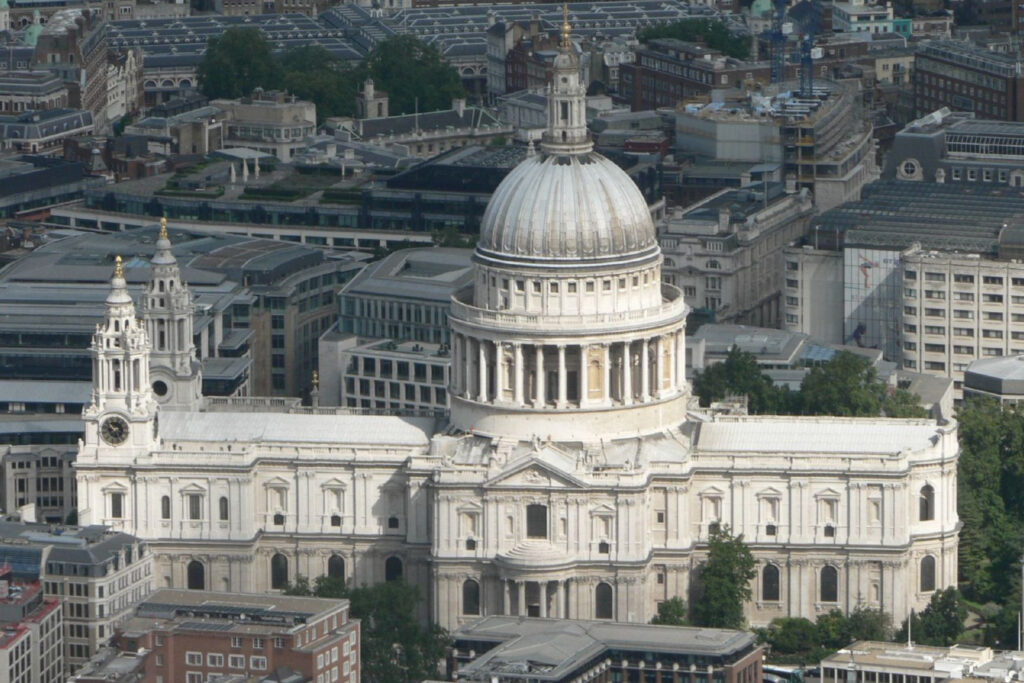
St Paul's Cathedral, designed by Sir Christopher Wren after the Great Fire of 1666, was completed in 1710. Its famous dome survived the Blitz and remains one of London's most recognisable landmarks, having hosted state funerals, royal weddings, and countless services over more than three centuries. St Paul’s Cathedral: Photo Credit Mark Fosh CC BY 2.0
ENGLISH BAROQUE ARCHITECTURE LONDON (1666 TO 1714)
The Great Fire of 1666 destroyed 90% of the medieval city as much of it was constructed from timber. Sir Christopher Wren FRS (1632 to 1723) drew up grand plans to reconfigure the city’s intricate street layout with a grid system and wide boulevards, but these were abandoned due to labour shortages, financial complications and the urgency to rebuild.
Instead, much of the medieval street plan was retained, with rows of uniformly proportioned terraces – and brick replacing wood as the building material of choice. Kings Bench Walk, Inner Temple, is a fine example, laying down a blueprint for later Georgian architecture across the city.
For brickwork, water-based cleaning is often detrimental. Water can force salts and minerals back into the substrate, which later return as unsightly efflorescence. Ancient brickwork dating back to the 1600s, requires even greater care – again, using our gentle, low-pressure, and scaffold-free Façade Gommage Cleaning System, which gently projects fine powders under compressed air across the surface to gently lift any accumulated dirt and grime.
London architecture of the age: Christ Church Spitalfields, St Paul’s Cathedral, Royal Naval College

Somerset House, completed in 1801 to designs by Sir William Chambers, originally housed government offices and the Royal Academy. Today this neoclassical landmark hosts exhibitions and cultural events, with ongoing façade cleaning and restoration works helping preserve its striking Thames-side architecture for future generations.
GEORGIAN (1714 –1811) & REGENCY (1811 – 1837) ARCHITECTURE LONDON
As the 18th century progressed, Britain emerged as a global trading power. The capital witnessed sprawling growth, including districts such as Bloomsbury, Marylebone, Mayfair and Kensington.
Characterised by grand terraces and fashionable squares, this era eschewed the more flamboyant flourishes of the 17th century English Baroque movement, instead echoing earlier reference points, including the Palladian influences that first appeared over a century earlier.
Many buildings were constructed from buff-coloured London Stock Brick, and geometrical symmetry and restrained ornamentation were favoured. With examples including Downing Street, Georgian & Regency architecture is one of London’s most iconic architectural styles, recognised the world over.
Properties featured large sash windows set in triple-bay frontages, with attic pediments beneath slate mansard roofs. Gauged brickwork, with roofs hidden behind parapets above attic friezes, and restrained use of rustication, pilasters, columns and cornices indicated wealth and status. Georgian & Regency architecture brought neo-classical stylings back to the fore.
In more prestigious houses, brickwork was replaced by imported natural stone or stucco render. Stucco is particularly delicate and calls for our gentle, low-pressure, and scaffold-free Façade Gommage Cleaning System. We gently project fine powders under compressed air across the surface to rub away any accumulated dirt and grime.
London architecture of the age: Somerset House, Chiswick House, Mansion House, Townhouses in areas such as Eaton Square (Belgravia) and Bedford Square (Bloomsbury).
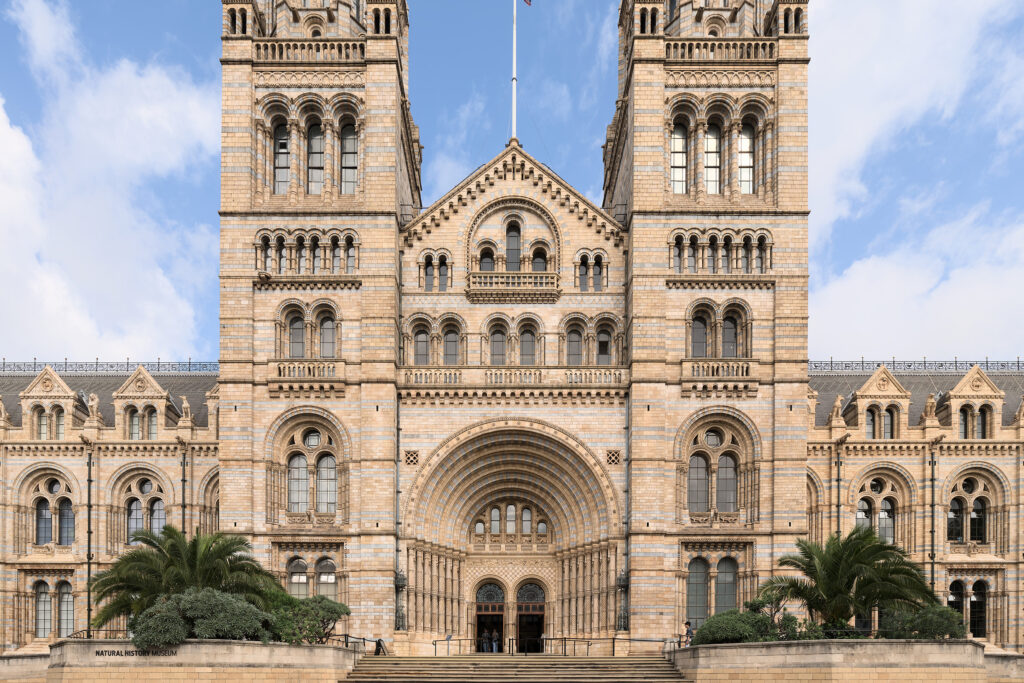
The Natural History Museum, designed by Alfred Waterhouse and opened in 1881, features distinctive terracotta cladding and Romanesque styling. Originally part of the British Museum's natural history collections, it now houses over 80 million specimens, remaining one of London's most iconic and beloved cultural institutions. Natural History Museum: Photo Credit Daniel Lu CC BY-SA 4.0
VICTORIAN ARCHITECTURE LONDON (1837 – 1901)
Victorian London saw unprecedented growth, with the population tripling during the era. As the epicentre of the British Empire (then the largest in the world), the capital’s affluence and urbanisation rose hand in hand. A more planned philosophy started to emerge, with suburbs being developed in specific styles for particular classes.
The prevalent style was Neo-Gothic, or Gothic Revival, which coincided with Romanticism and harked back to medieval styles. Architecture began to adopt more exuberant and ornate detailing, such as tracery and weblike ornamentation on windows and parapets. Symmetrical lines, steep roofs and spires characterised the new breed of building.
The work and influence of John Ruskin and Augustus Pugin were widespread, and in the aftermath of the industrial revolution, new materials like cast iron and steel became increasingly popular. Taking full advantage of the new potential for height and span, notable iron-framed structures included St Pancras Railway Station, a spectacular example of ornamentation and ambition working hand in hand.
The Victorian period encompassed a number of other architectural movements, resulting in an eclectic mix of building styles, from Renaissance, Queen Anne, and Moorish Revival to Neoclassicism and Second Empire influences copied from the French in the 1870s. Landmarks from the period illustrate the eclectic array of architectural movements: the Italianate stylings of the Reform Club; the Victorian High Gothic construction of the Royal Courts of Justice; and the Neoclassic lines of 41 Lothbury (the original home of Westminster Bank).
From an architectural restoration perspective, the Victorian era saw the emergence of another new material – terracotta. Increasingly used as a decorative appliqué from the 1860s onwards, terracotta was favoured as it was colourful and did not absorb the heavy air pollution prevalent at the time. Fine examples include the rebuilt Harrods and the Natural History Museum.
Today, Victorian terracotta is an extremely fragile and friable material, effectively ruling out aggressive water-based cleaning techniques. Styles Façade Solutions has found that the gentle, low-pressure, and scaffold-free Façade Gommage Cleaning System is well-suited for these Victorian terracotta surfaces.
London architecture of the age: Palace of Westminster, Natural History Museum, Gibson Hall
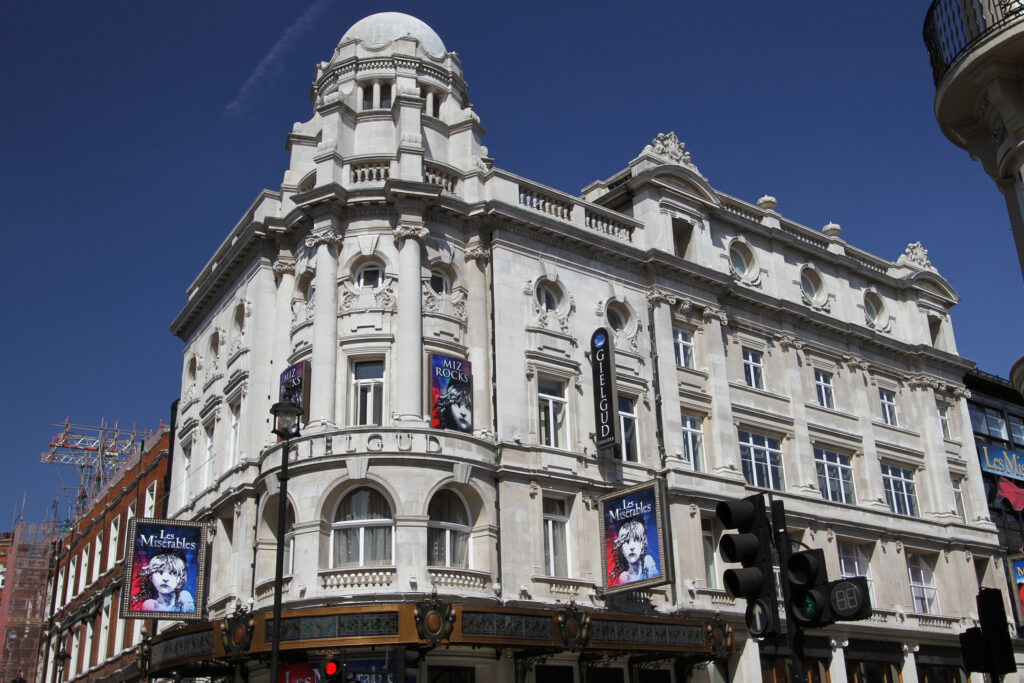
The Gielgud Theatre, opened in 1906 as the Hicks Theatre, was renamed in 1994 to honour actor Sir John Gielgud. This grand West End venue, known for its striking Baroque-style architecture, continues to host major theatrical productions in the heart of London's Shaftesbury Avenue theatre district.
EDWARDIAN ARCHITECTURE LONDON (1901 – 1914)
Having taken a back seat to Neo-Gothic during the Victorian era, Neoclassicism experienced a revival in Beaux Arts and Edwardian Baroque in the first decade of the 20th century, once again, echoes of architecture from an earlier epoch.
Epic, monumental structures evoked the grandeur of the Roman Empire, with rusticated stonework, banded and freestanding columns and pilasters with Corinthian or Ionic capitals, and domed roofs and cupolas. Portland stone, eminently suited to such architecture, was widely used – the curving façade of the Regents Street Quadrant being a classic example.
Some of London’s most iconic landmarks were built in the early 1900s – including the Old Bailey, the Ritz Hotel and Selfridges. Another favoured finish during this period was glazed architectural terracotta, also known as “faience”.
More pollution-resistant than their predecessor terracotta, these ceramic tiles characterise much of London’s Edwardian architecture, nowhere more so than in underground stations, particularly on the Piccadilly and Bakerloo lines. Further advances in building materials saw the adoption of steel to reinforce larger structures. Widely used in larger public or commercial buildings such as those along Aldwych or Kingsway, steel from the first half of the 20th century is the cause of many problems a century later.
Known as Regent Street Disease, corrosion within masonry-clad, steel-framed buildings of this age can cause extensive damage to the building fabric. We recommend regular commercial façade surveys are carried out to ensure that the early signs of Regent Street Disease are identified and remediated as quickly as possible.
London architecture of the age: The Ritz, Gielgud Theatre, Covent Garden Underground Station
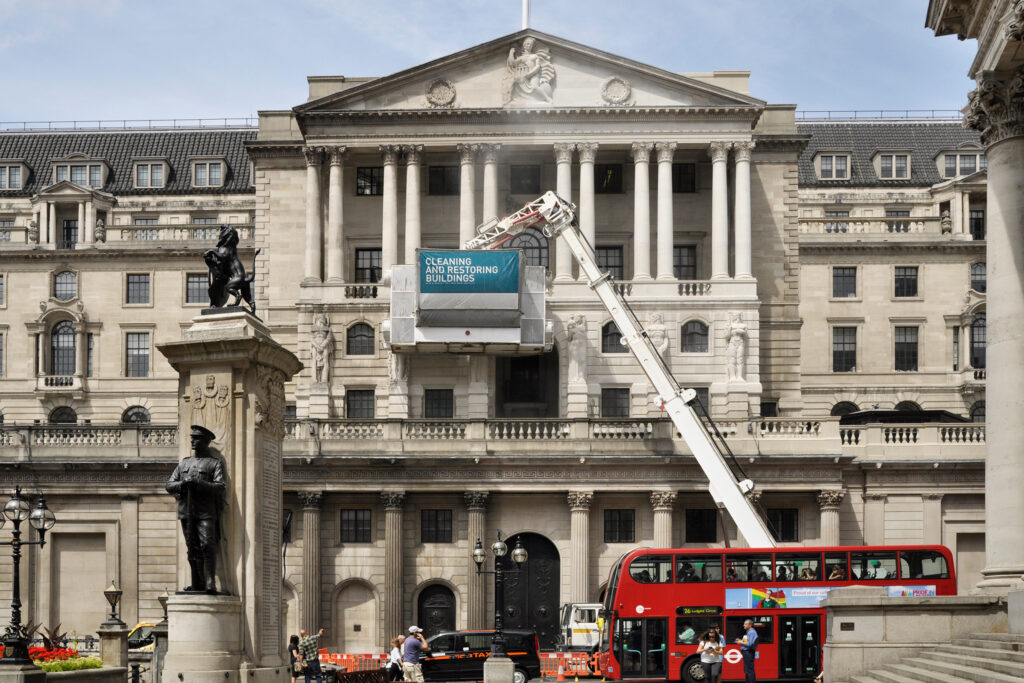
The Bank of England, founded in 1694, has served as the UK's central bank for over 330 years. Rebuilt largely by Sir Herbert Baker in the early 20th century, its imposing Threadneedle Street building remains a symbol of British financial power and stability to this day.
INTER-WAR & ART DECO ARCHITECTURE (1919 – 1939)
A sombre mood prevailed in the years following the First World War. The austere, simple lines of Georgian architecture re-emerged in Neo-Georgian architecture, with the flamboyance of Neo-Baroque a distant memory.
There was a certain irony in original Georgian houses being demolished to make way for larger Neo-Georgian replacements. Alongside this, Neo-Classicism remained in vogue, particularly on larger projects, such as the Bank of England. Again, Portland stone was widely used, embedding its status as London’s “local stone”. 1925’s International Exhibition of Modern Decorative and Industrial Arts in Paris brought another architectural style to the fore – Art Deco.
First developed in Paris in the early 1900s, Art Deco became fashionable and a popular choice of architectural style for “modern”, progressive businesses such as cinemas, factories, airports and power stations, as well as more established sectors like theatres, hotels and department stores.
Interestingly, London’s interpretation of Art Deco differed from some other major capitals that embraced the movement, such as New York, where materials like glass, vitrolite and chromium were used. In London, traditional Portland stone was fashioned into Art Deco’s ground-breaking forms, creating a singular and distinctive expression of the style that blended the old with the new. It was also a period of renewal and replacement – often to vocal opposition as the UK’s preservation movement gained momentum.
The demolition of most of the Adelphi Terrace, built by the Adam brothers in the late 1700s, caused an outcry, with the original structure replaced by an office block called the Adelphi Building. With its monumental Portland stone façade regarded as a classic example of Art Deco architecture, the Adelphi Building is now itself protected as a Grade II Listed building.
Along with the Bank of England, the Adelphi Building is considered one of the landmark structures of the inter-war period. Styles Façade Solutions has had the privilege of cleaning these buildings using our gentle, low-pressure, and scaffold-free Façade Gommage Cleaning System in recent years.
London architecture of the age: Battersea Power Station, Richmond Station, Bank of England, Adelphi Building
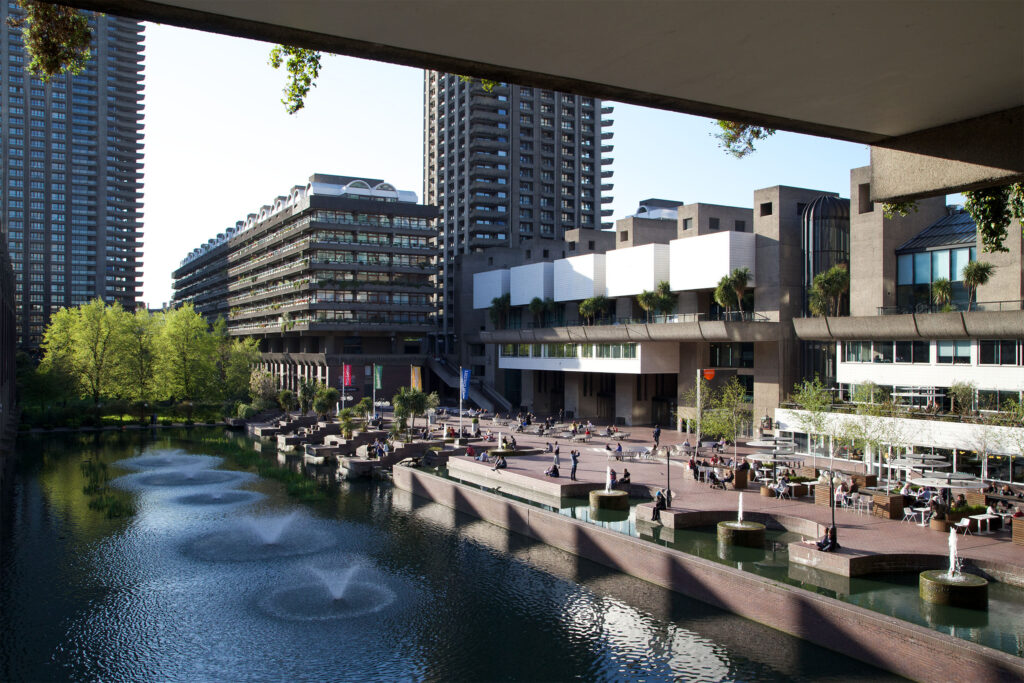
The Barbican Estate, a landmark example of Brutalist architecture built on a WWII bomb site. Now Europe's largest performing arts centre, it continues to host theatre, music, and art exhibitions within its distinctive concrete surroundings. The Barbican Centre: Photo Credit Tom Parnell CC BY-SA 2.0
POST WAR MODERNISM (INCLUDING BRUTALISM) (1945 – 1979)
Over a million buildings across London were destroyed or damaged during the Blitz of 1940-41. The aftermath of World War Two saw a period of massive urban reconstruction, with architecture characterised by the introduction of diverse influences, including those of refugee European modernists.
Led by the work of Berthold Lubetkin, Denys Lasdun, and Erno Goldfinger, London’s rebuild was characterised by austere, brutalist architecture, featuring repetition of forms and widespread use of raw concrete. Heavily influenced by Le Corbusier, high-rise developments were widespread in the rush to house the masses, with the likes of Trellick Tower and Balfron Tower now regarded as classic examples of the form. After many years of negative perceptions, modernism has undergone something of a re-evaluation in recent times.
The movement is also responsible for some of London’s leading post-war landmarks, including the Royal Festival Hall, at the heart of the South Bank Centre, Europe’s largest arts centre, and The Economist Building in St James’s. From a restoration perspective, modernism’s material of choice, concrete, brings its own set of challenges.
Highly durable, it lends itself to more aggressive cleaning techniques, such as chemical and water-based processes. However, concrete has inherent drawbacks for access and scaffolding. Our gentle, low-pressure, and scaffold-free Façade Gommage Cleaning System is carried out from an agile hydraulic boom that can access up to 14 storeys high and achieves comparable, if not better, results than conventional alternatives.
London architecture of the age: The Barbican Centre, Balfron Tower, Brunswick Centre
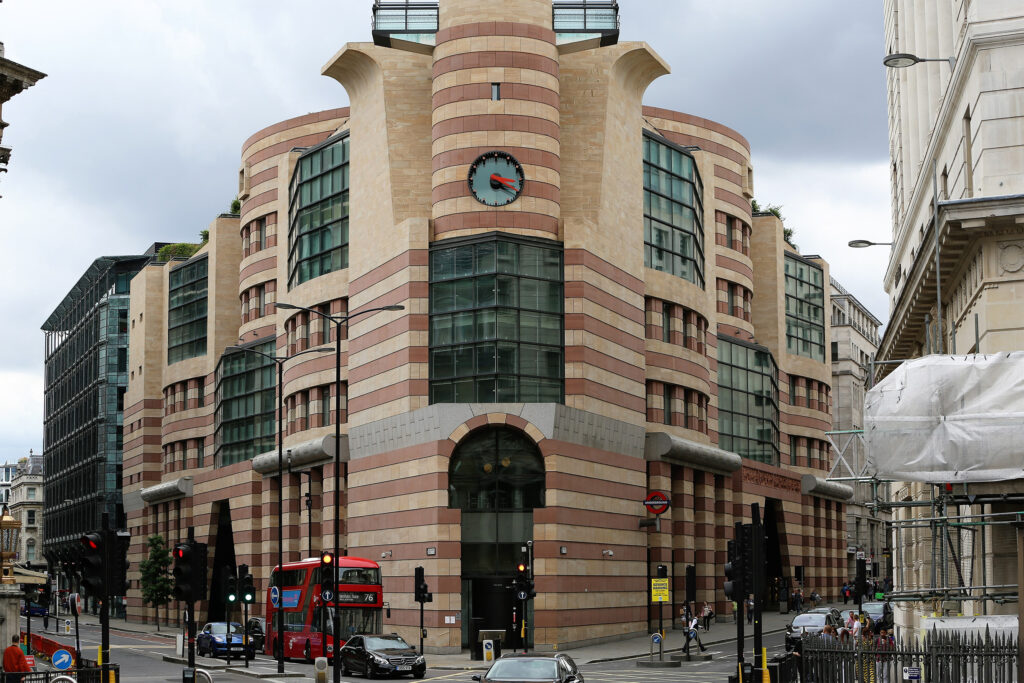
1 Poultry, designed by James Stirling and completed in 1997, remains one of London's most striking postmodern buildings. Built on a site once earmarked for a Mies van der Rohe tower, its bold striped stonework and dramatic curves make it a distinctive City of London landmark.
POST-MODERNISM (1979 ONWARDS)
Ironic, playful, and even eccentric, post-modernism gleefully borrows and quotes from historical styles.
With glass, steel and high-tech production techniques to the fore, London has seen an explosion of neo-futurist architecture over the last four decades. Structures such as the iconic Lloyds Building, utilitarian and structural elements and processes, usually hidden away, have been subverted as exterior decorative elements. As a movement, post-modernism has endowed London with some truly global landmarks, including The Shard, The Fenchurch Building (The Walkie-Talkie), 30 St Mary Axe (The Gherkin) and One Canada Square.
And yet, among all this innovation, some reassuring fundamentals have remained. Constructed some 370 years after the Banqueting House was built in Stuart-era London, Robert Venturi’s Sainsbury Wing of the National Gallery features Portland stone.
Like all the world’s great cities, London’s history can be traced through its architecture. Unlike many, it’s a history that encompasses an unrivalled longevity and diversity of architectural styles. Cyclical in nature, design movements echo and reinterpret earlier forebears, with styles evolving and advancing, generation by generation.
London architecture of the age: 1 Poultry, The SIS Building, Richmond House
Contact our team today
At Styles Façade Solutions®, over 20 years’ worth of London based projects serve as a constant reminder of our privilege to work across this historic landscape.
Call our team TODAY for more information on +44 (0) 20 8453 1494, alternatively use the contact us form to discover how Styles Façade Solutions® (formerly Thomann-Hanry®) can support your next restoration project.