
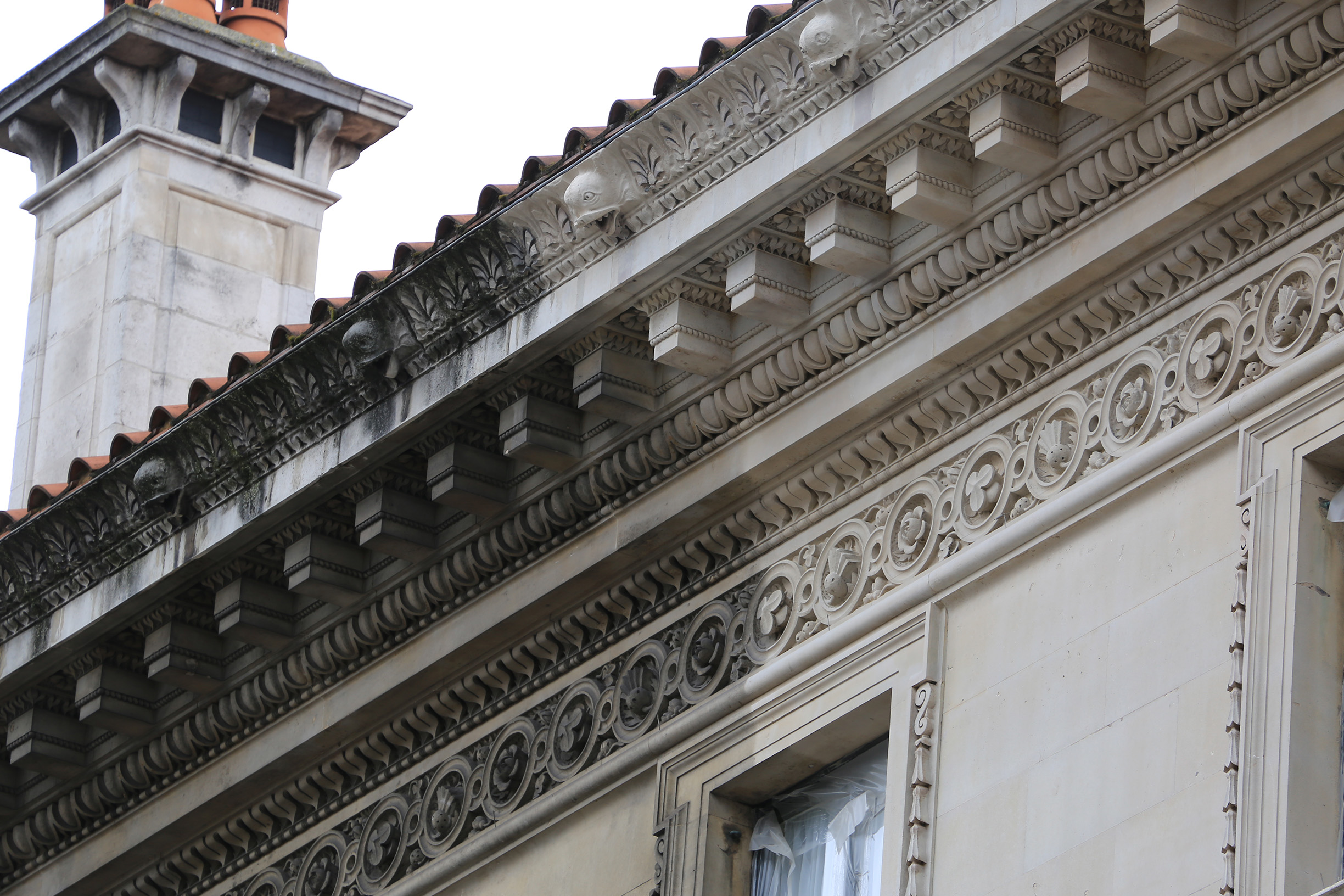
How to clean your historic building
Styles Façade Solutions® (formerly Thomann-Hanry®) has built a reputation for delivering unparalleled cleaning and restoration works to some of the UK’s most prestigious historic and Grade-listed buildings.
As the premier façade surveying, cleaning, and restoration & repair company, we know the options available for your next project and understand the delicate balance between aesthetics and historic preservation.
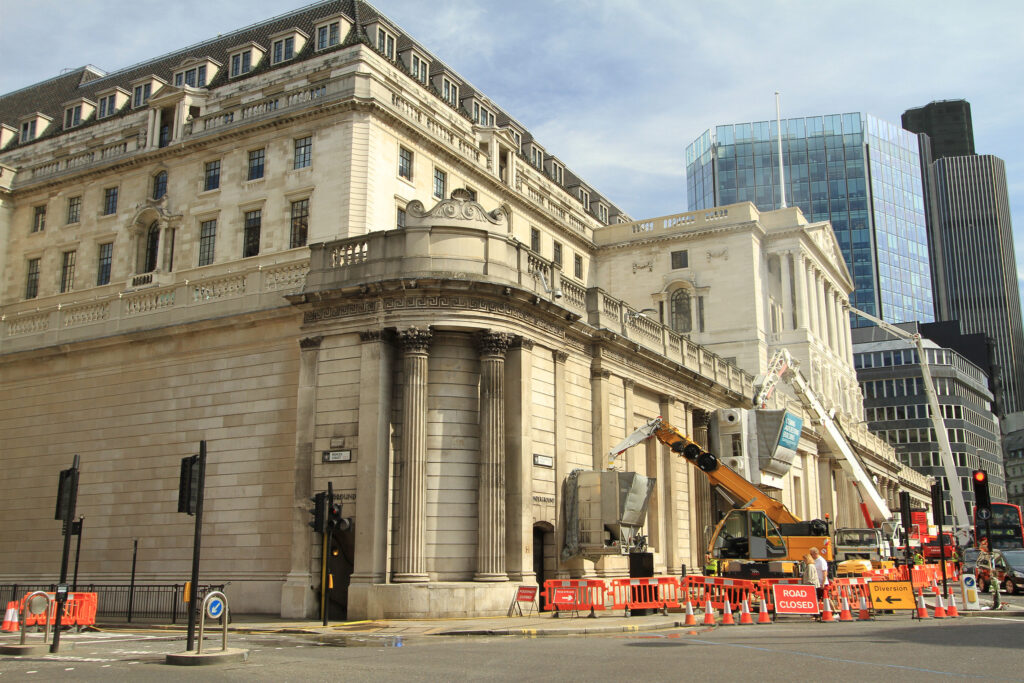
WHY CLEANING & CONSERVATION IS VITAL
Historic and listed buildings, no matter the size, are critical cultural records within the built environment. The need to maintain and preserve these structures is crucial to ensure they can be enjoyed by future generations.
While interior upkeep is often the primary focus, the building’s façade also needs regular, specialist conservation and cleaning to prevent the expense and inconvenience of major structural work following years of neglect and decay.
The modern urban environment in which many historic and listed buildings are situated is a haven of dirt and grime, much of which, while perceived as merely an aesthetic issue, can cause significant long-term discolouration and surface damage to the façade’s substrate. Even in more rural areas, the long-term build-up of biofilm (a thin layer of algae and phytobacteria) and water retention can be just as harmful.
Cleaning historic buildings requires particular care and expertise: regular cleaning and maintenance checks can spot areas of concern and quickly remedy them before they become more structural, time-consuming, and, most importantly, costly problems.
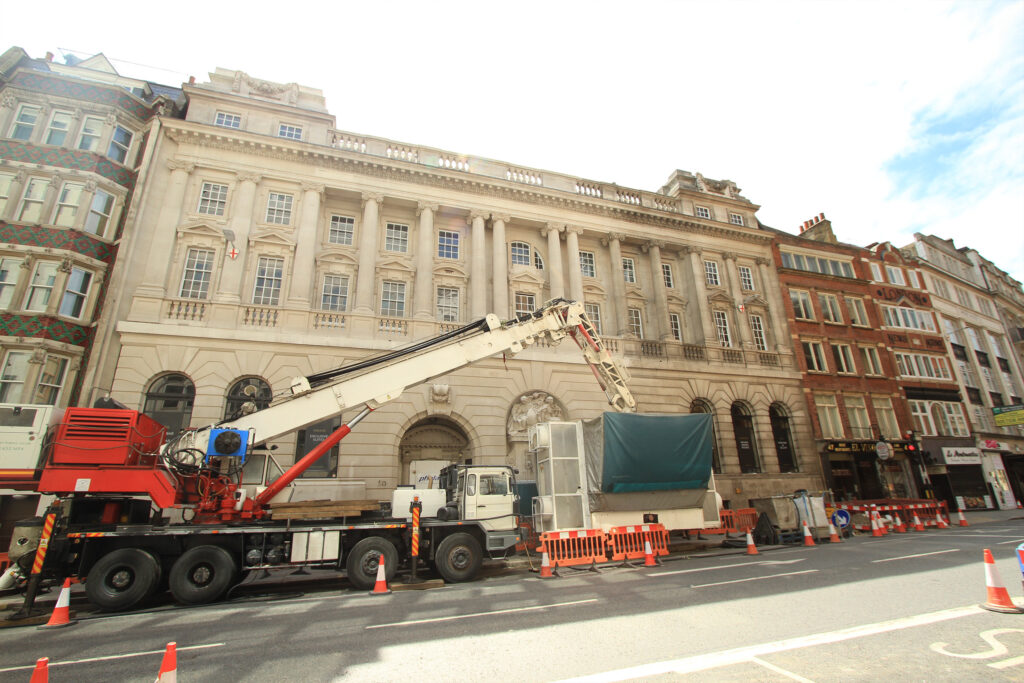
WHICH METHOD IS RIGHT FOR YOUR BUILDING?
Before you undertake any façade cleaning, you will need to understand the structure and materials used on your building’s façade. This will determine the types of cleaning which can be undertaken for your historic or listed building.
Discover the UK’s listed buildings and properties via Historic England, Historic Environment Scotland, CADW (Wales), Department for Communities (Northern Ireland) websites. They have developed a live map search making it easy to find places near you that are protected by listing.
Using the wrong method can initiate new decay processes or exacerbate existing ones. Any cleaning method used should also preserve the masonry patina and avoid depositing harmful by-products that could affect future preservation works.
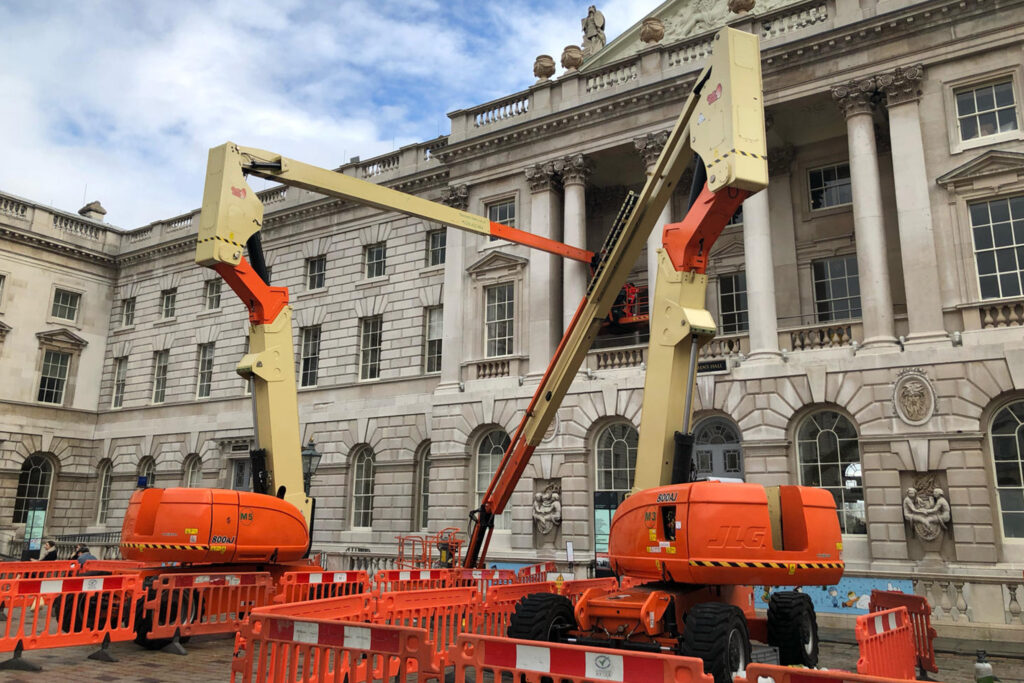
WET CLEANING METHODS: POTENTIAL RISKS
There are three main water-based systems used in the industry for cleaning the façades of historic or listed buildings. These are variable pressure/high temperature methods (e.g. DOFF), low-pressure abrasives (e.g. TORC), and constant water misting.
While these water-based systems can achieve a good surface clean, they present significant risks to historic fabric:
- Saturation & salt migration: High usage rates of potable water can over-saturate masonry, mobilising internal salts which lead to the corrosion of internal metal fixings and efflorescence
- Frost damage: Trapped moisture can freeze during the colder months, causing intricate carvings to crack and break.
- Organic decay: Constant water misting creates conditions favourable for rot in timber-framed structures and is ineffective on tightly bonded soiling. It can lead to staining in porous limestone and sandstone.
DRY CLEANING METHODS
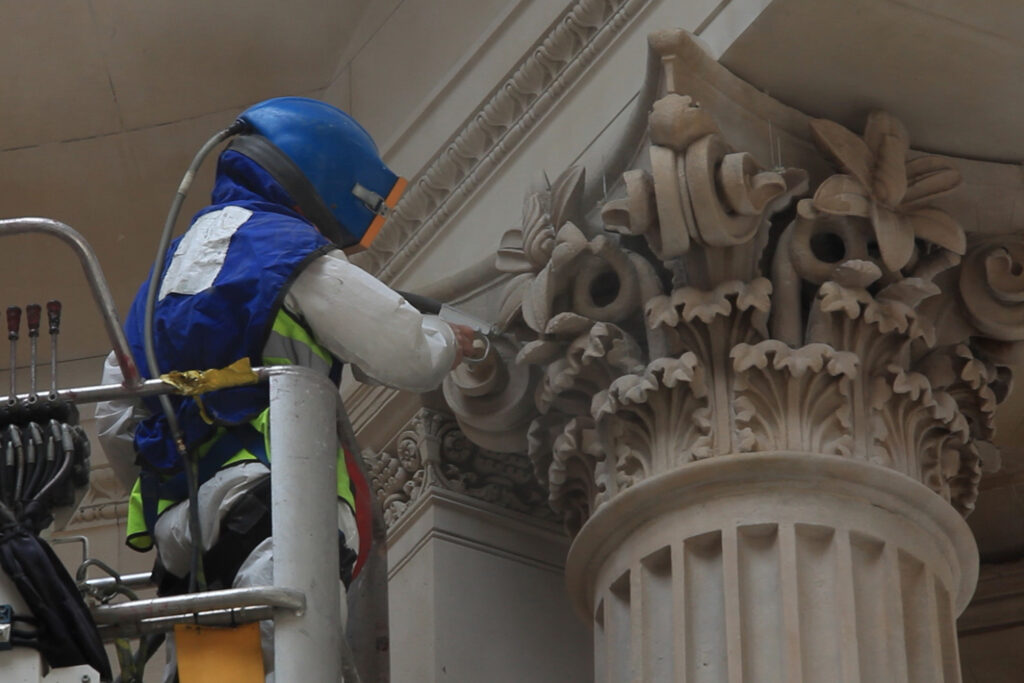
There are two key types of dry-cleaning methods: abrasive cleaning and Façade Gommage cleaning.
ABRASIVE CLEANING
This uses medium-to-high-pressure with an abrasive material such as sand, shot, or crushed nut shells to chip away at the surface of the dirt and grime. While effective at removing grime, it can cause damage to the façade’s surface, especially on softer stones such as sandstones and limestone. Repeated use can cause highly decorative and intricate areas to be damaged or worn away over time.
FACADE GOMMAGE
Our signature cleaning method involves blowing ultra-fine aluminium silicate powder under low pressure onto the façade's surface. It gently rubs away surface dirt and grime without the need for water or harsh chemicals.
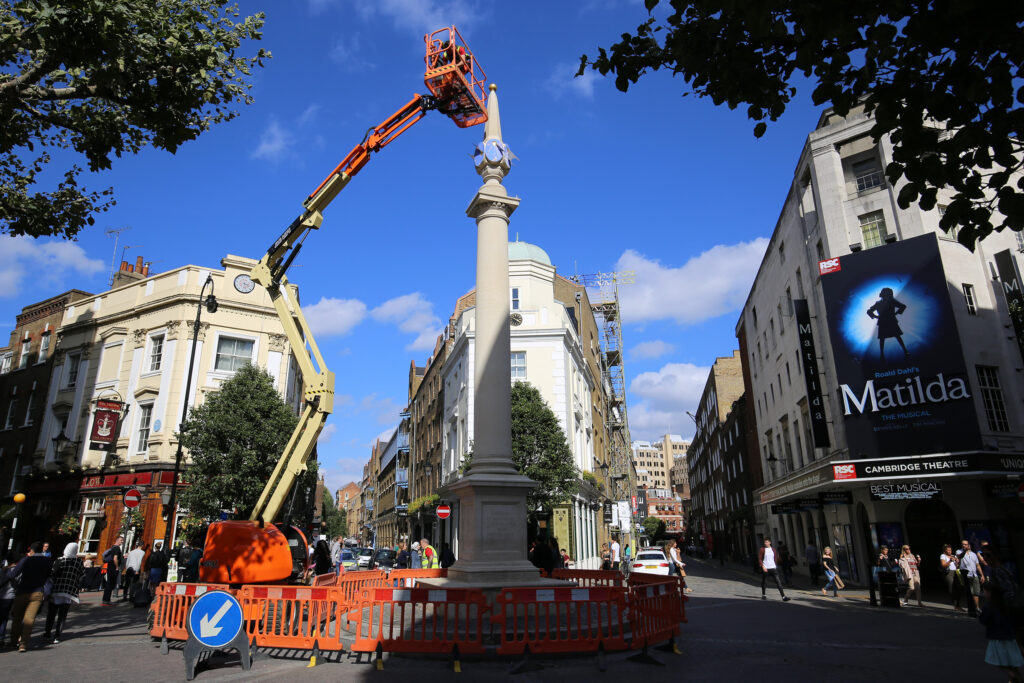
- Scaffold-free: Unlike almost all other methods, unsightly scaffolding is not required, reducing the time taken to perform the clean and making it an ideal choice for hotels and retail businesses.
- Preservation: The system also offers one of the best end results, taking a building back to the original façade colour while meticulously preserving any historic patina.
CHEMICAL & SPOT SURFACE CLEANING METHODS
When smaller, more specific areas need cleaning, such as graffiti removal or more stubborn or encrusted stains, targeted chemical treatments are used. These require topical patch testing and often involve ‘dwell’ periods of 24 - 72 hours. These targeted pastes are slow and may require additional applications for them to be effective.
Laser and cryogenic cleaning methods use ablation as a way of removing encrusted dirt and grime. They are not cost-effective for significant soiling on large-scale façades.
FINAL CONSIDERATIONS
It’s not just the method that needs to be considered when looking to clean and refresh a historic or listed building’s façade. The company you are looking to employ will also need to show that they understand the need for sympathetic cleaning for these types of buildings.
A deep understanding of listed and scheduled monument constraints is vital. We encourage all prospective clients to review our previous work on iconic structures to see how we execute safe, sympathetic façade cleaning.
Call our team TODAY for more information on +44 (0) 20 8453 1494, alternatively use the contact us form for a FREE project quote or for more information on how Styles Façade Solutions® (formerly Thomann-Hanry®) façade cleaning for commercial & heritage buildings can safeguard the future of your heritage asset.