
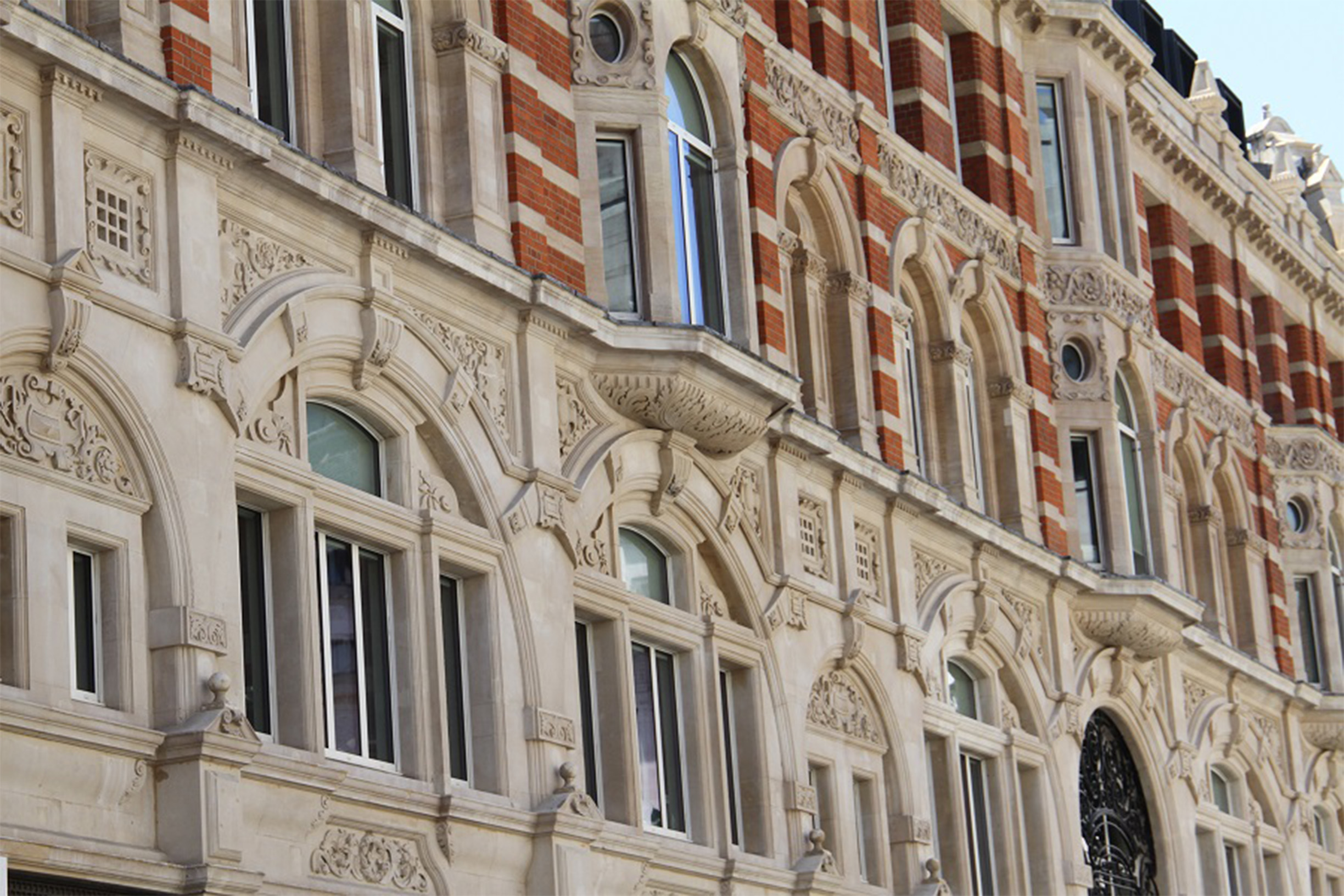
Glossary of Stone and other Façade Materials
A good understanding of facade materials used to construct historic and commercial buildings is vital to best understand how to maintain them for the long term and keep repair costs to a minimum.
As part of your planned façade maintenance schedule, a regular façade cleaning regime is important for buildings of all ages. The most obvious and visible reason is aesthetic – tackling the build-up of pollutants, which can obscure architectural details and diminish the structure’s overall appearance.
From a conservation perspective, an ongoing battle against the elements is essential. Environmental pollutants such as exhaust and industrial fumes, and build-up of biological materials such as bird waste and algal films, when in the presence of rainwater, can become acidic and permanently damage the façade.
Building façade materials weather and discolour at varying rates, according to a range of factors including location, ambient pollution levels, prevailing weather conditions and the substrate itself. The last of these, the stone or manmade materials from which the façade is made, also plays an important part in the suitability and efficacy of any cleaning techniques used.
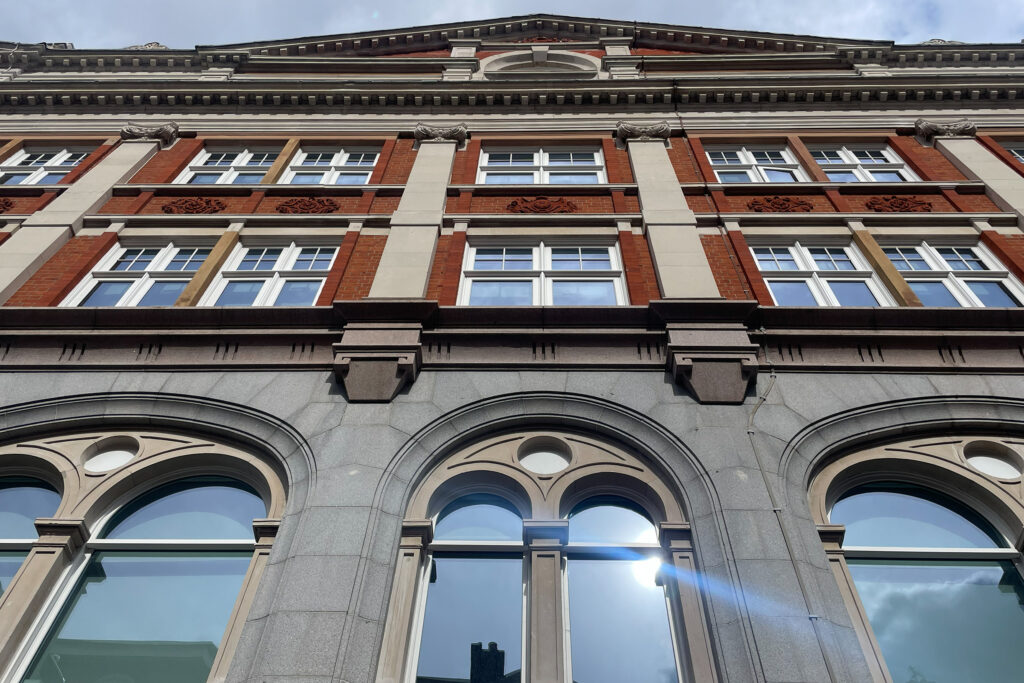
At Styles Façade Solutions® (formerly Thomann-Hanry®), we operate our own façade cleaning system called Façade Gommage. The system projects ultra-fine dry powder onto the areas to be cleaned, dispersing it under low pressure across the surface.
The powder is very sharp and has enough mass and energy to cut through the dirt, but without affecting the stone in any way. It has a proven record of cleaning natural stone, brick, terracotta, alabaster, marble, granite, stucco, and polychrome surfaces, meeting the requirements of property managers and conservationists worldwide.
Finally, there is restoration – bringing façades back to life and uncovering deeper structural issues, such as spalling stone, which can often lie unseen and undetected beneath a layer of dirt and staining.
Our wide experience as conservation and restoration specialists encompasses a wide range of materials, and this glossary outlines the most common of these, their defining characteristics, and their response to cleaning techniques.
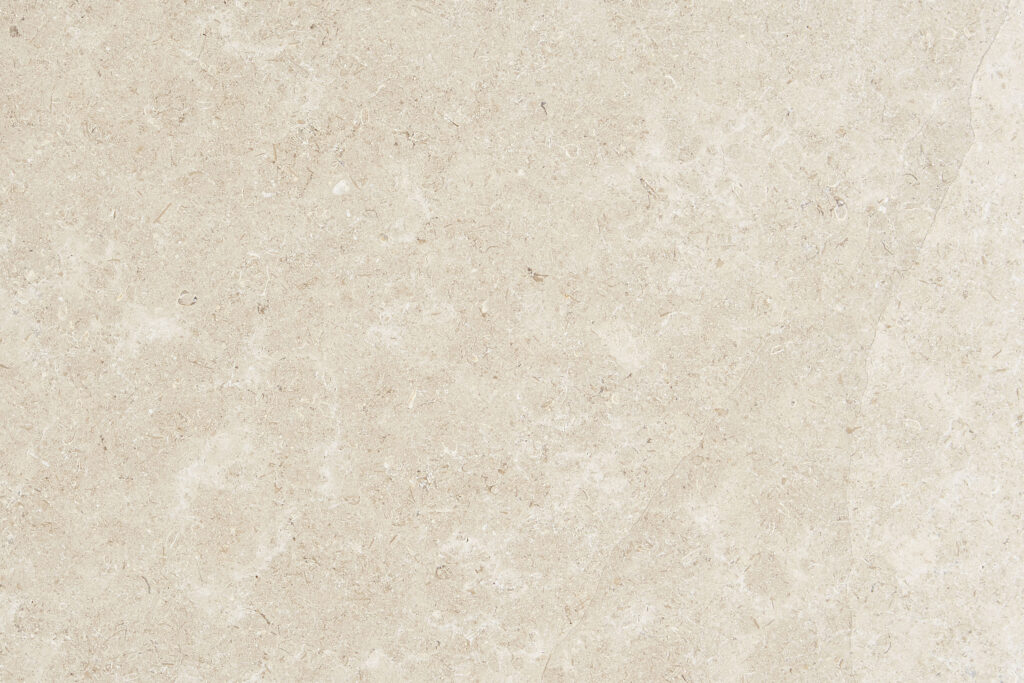
NATURAL MATERIAL - LIMESTONES
Clastic sedimentary rocks, formed through the accumulation and compression of calcium carbonate-rich materials (predominantly biological material such as diatoms, molluscs, and corals). Limestone is reactive to acid solutions, so acid-based cleaning chemicals are not advised as they can etch and permanently damage the surface. The use of the non-aggressive, scaffold-free Facade Gommage cleaning system offers the best solution to clean and revive the limestone façade of historic and commercial buildings.
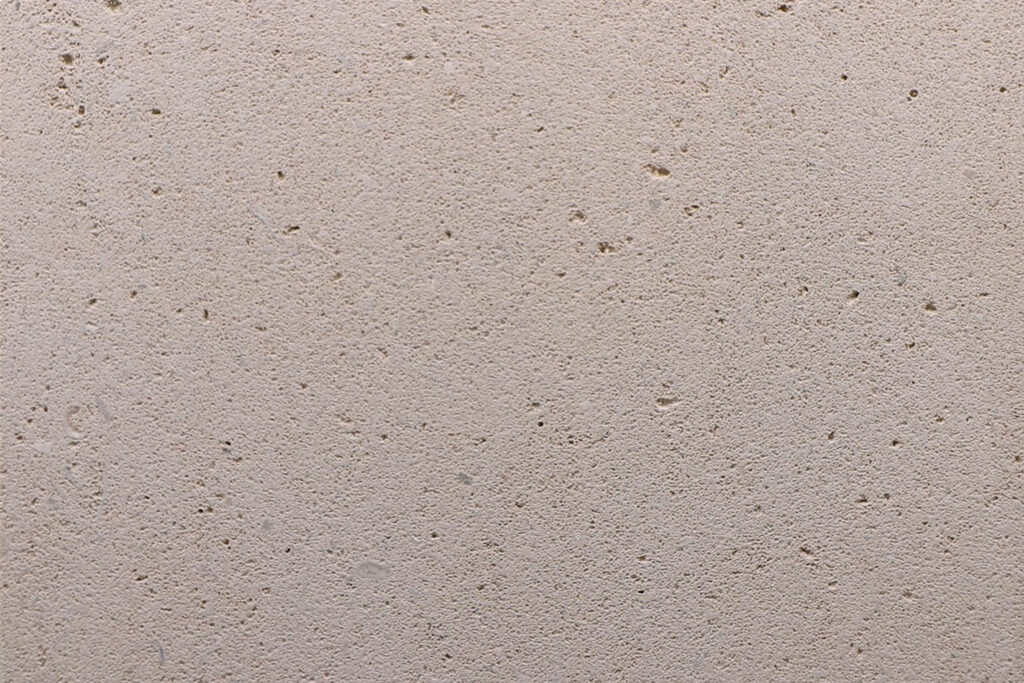
NATURAL MATERIAL - PORTLAND STONE
A widely used Limestone formation found across the Southern England from the Tithonian age (149.2 to 145.0 million years ago) of the Jurassic period. A durable and attractive material which has been used widely across London since the 1600’s, it is considered to be London’s ‘local stone’. Its extensive use in modern architecture led to its designation as the first Global Heritage Stone Resource (GHSR).

NATURAL MATERIAL - BATH STONE
A granular, oolitic Limestone formation found in Southwest England from the Bathonian age (168.2 to 165.3 million years ago) of the Jurassic period. A warm, honey-coloured material that has been widely used since the Roman period, most commonly in the area surrounding Bath. Is highly susceptible to dirt and decay due to its porous nature. For this reason, water and chemical-based cleaning techniques should be avoided as they can increase structural decay.
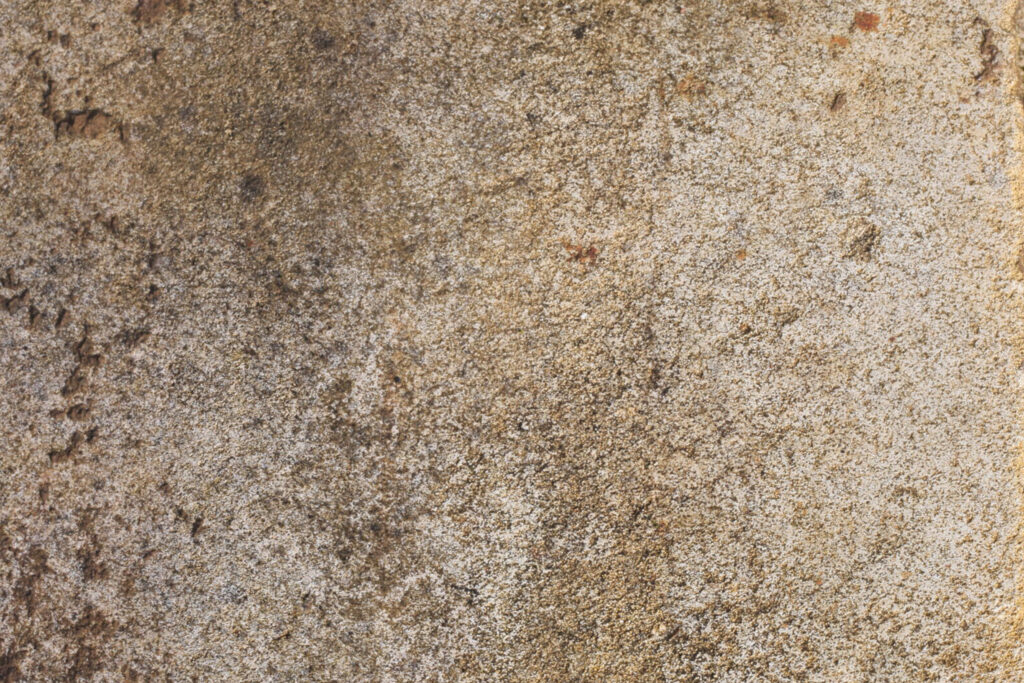
NATURAL MATERIAL - KETTON STONE
An oolitic, Toarcian age (184.2 to 174.7 million years ago) limestone of the Jurassic period, with distinct pale yellow to pale pink hues. Quarried from areas around the village of Ketton in Rutland, England, it is the main material used for the college buildings of Cambridge University. Like Bath stone, its high porosity makes non-aggressive, dry cleaning methods essential.
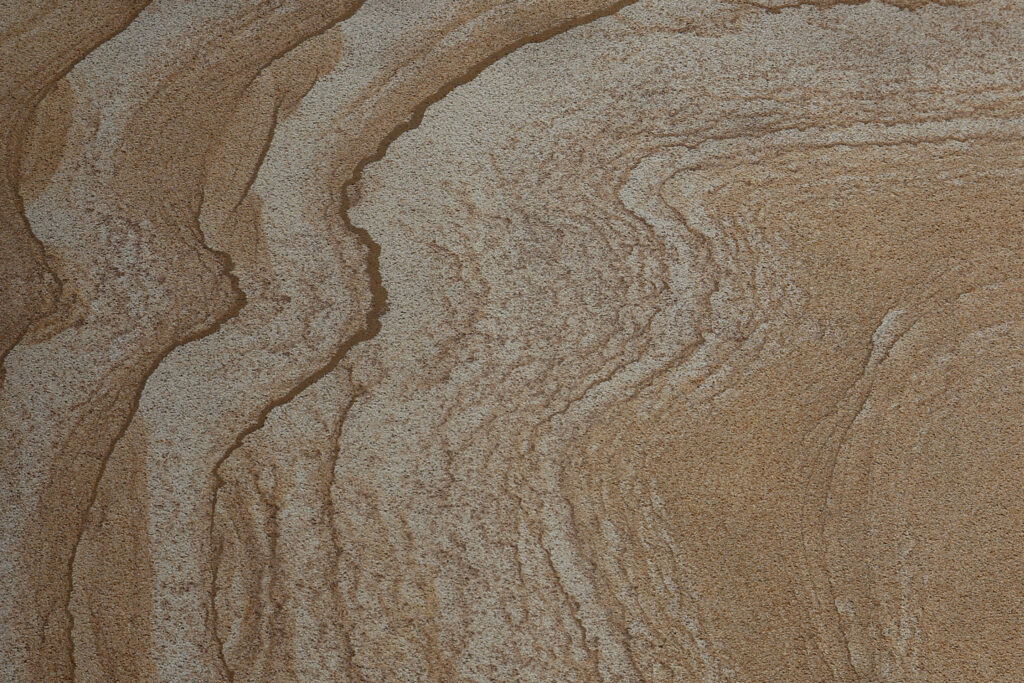
NATURAL MATERIAL - SANDSTONE
Clastic sedimentary rocks, predominantly formed through the deposition of granular, weathered, silicate materials such as quartz and feldspar. It can be formed both in terrestrial and marine environments. Additional rock fragments (clasts) and other chemical impurities can affect the porosity and colour of the rock. An ideal material for building and carving due to its ‘soft’ nature, its porous nature leaves it susceptible to damage when water and chemical cleaning methods are used.
Water cleaning methods can also etch and drive the dirt further into the stone, permanently damaging the substrate. The use of the non-aggressive, scaffold-free Façade Gommage cleaning system, offers the best solution to clean and revive the sandstone façade of historic and commercial buildings.

NATURAL MATERIAL - YORK STONE
A tight-grained, sandstone from the Stephanian age (304.0 to 299.00 million years ago) of the Carboniferous period. It contains a mix of quartz, mica, feldspar, clay and iron oxides, it is prized for its hard-wearing and durable qualities. It has been quarried from sites across Yorkshire since the Middle Ages. The stone can be found in most natural London paving slabs, which have been cut and pressed from quarries around Holmfirth, West Yorkshire.
Susceptible to damage, especially from high pressure, water-based systems, it is more resilient than most stone types.
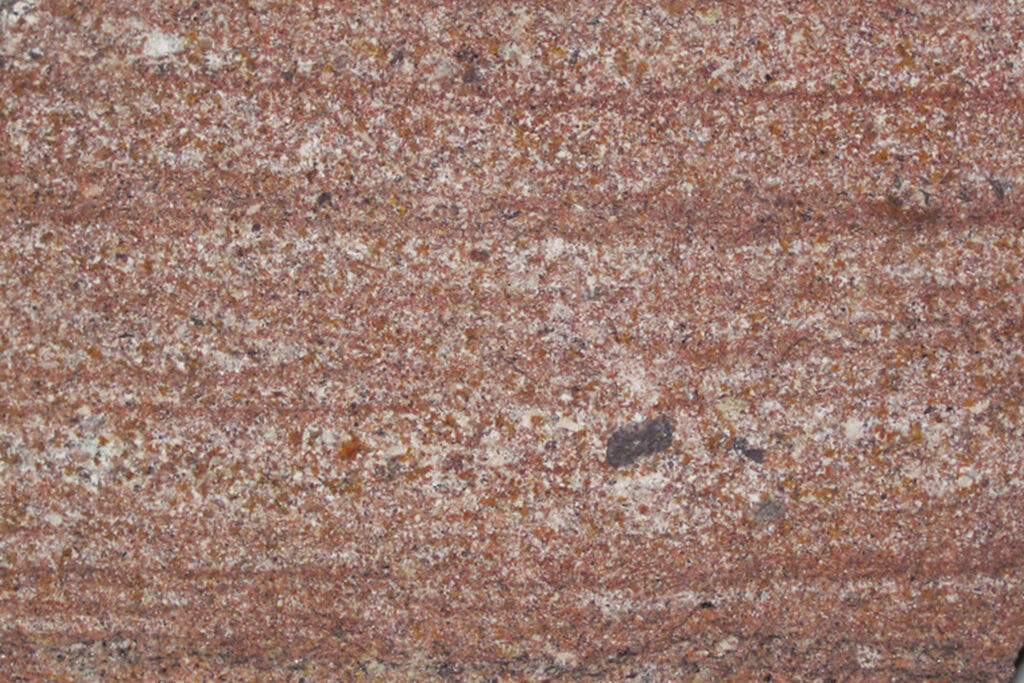
NATURAL MATERIAL - NEW RED SANDSTONE
A tight-grained sandstone consisting of only quartz grains which have been cemented together with haematite (Fe2O3), which indicates that these are terrestrially deposited sandstones. These stones have been widely used in construction across areas such as Glasgow and Edinburgh and come from the Hopeman Sandstone Formation, which dates to the Late Permian to Early Triassic (279.3 to 247.1 million years ago). While the stone is resilient, significant discolouration can occur in urban environments.
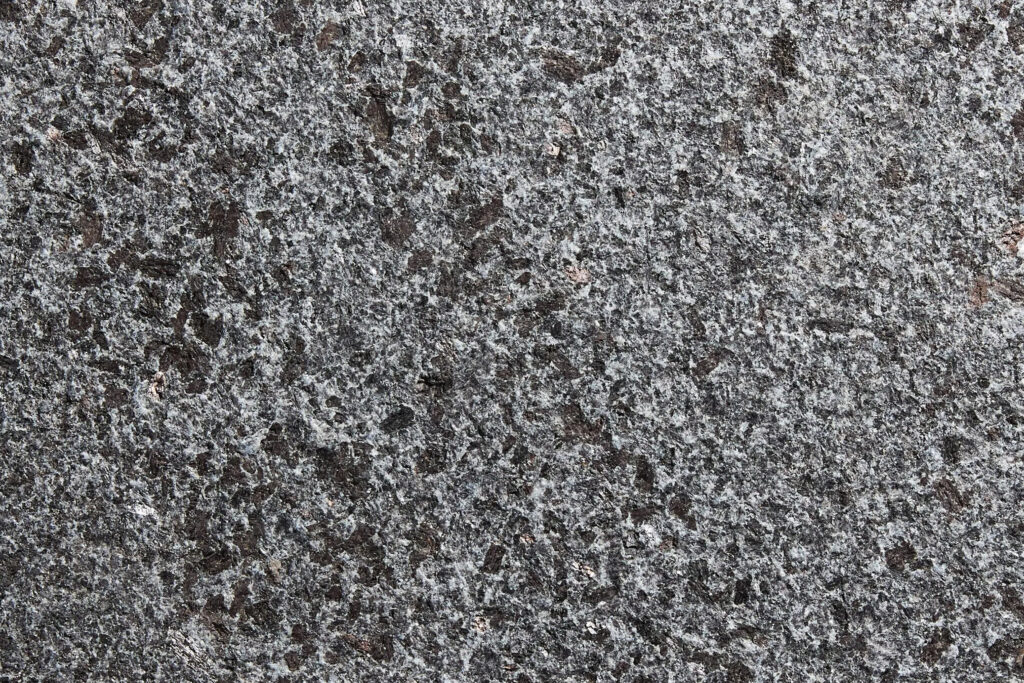
NATURAL MATERIAL - GRANITE
A coarse-grained crystalline igneous rock, which is incredibly tough. It can be a range of colours but is predominantly white, pink, or grey. Widely used within the construction of buildings and monuments due to its hard-wearing nature, water and chemical cleaning techniques can be used, but it can affect other façade materials which are used within the façade as Granite tends to be used in conjunction with materials due to its cost. The use of the non-aggressive, scaffold-free Façade Gommage cleaning system, offers the best solution to clean and revive the granite façade areas of historic and commercial buildings.
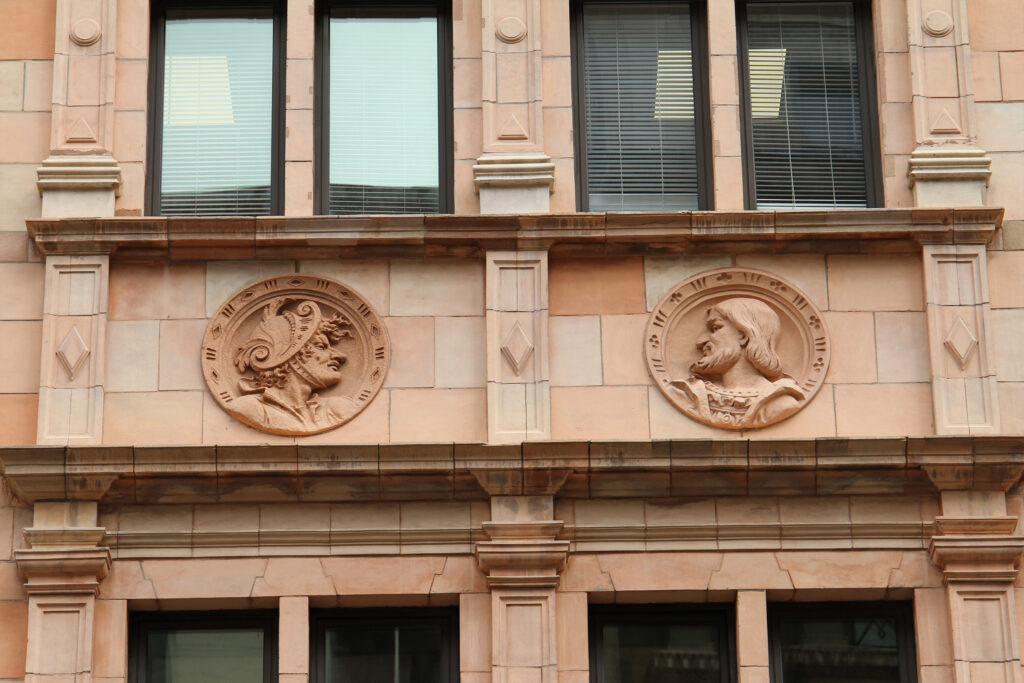
MAN-MADE MATERIAL - TERRACOTTA
A clay-based substrate which has been used within architectural adornments and facades since the Tudor period (1485 to 1603). Used extensively in many Victorian buildings, especially those that are historic and commercial around Birmingham. While it is easy to manufacture and allows for intricate designs and ornamentations to be added to a building, the material soils badly, allowing for thick encrustations of sooty deposits.
These deposits can hide cracks and more significant damage, as the material is friable and freeze/thaw action can accelerate damage which is hidden. The use of the non-aggressive, scaffold-free Façade Gommage cleaning system offers the best solution to clean and revive terracotta detailing and façades of historic and commercial buildings.
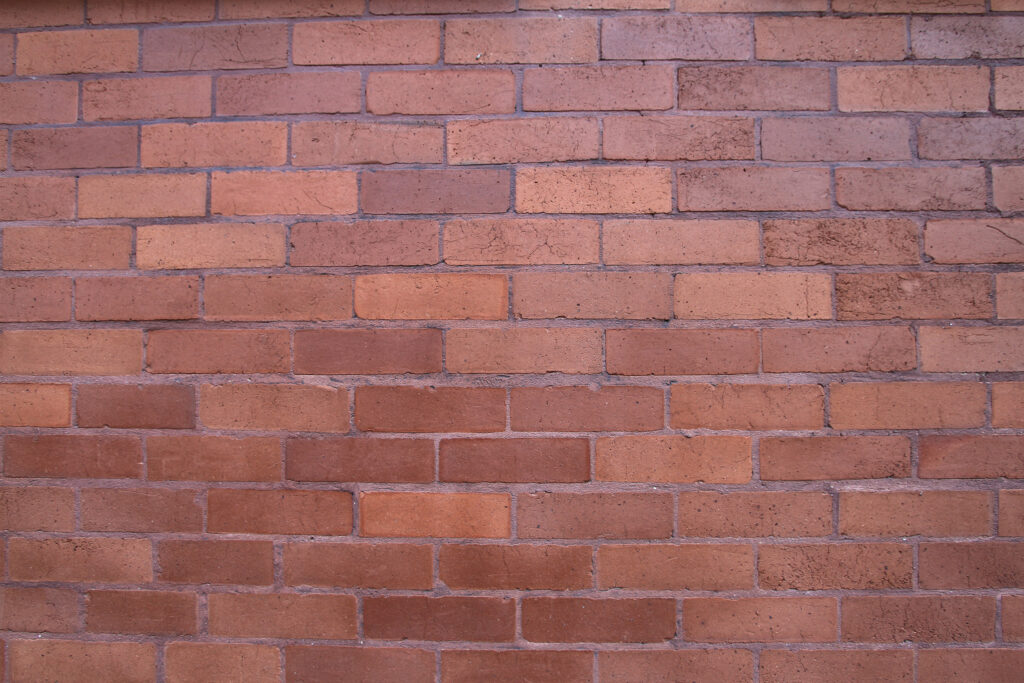
MAN-MADE MATERIAL - BRICKWORK
The most used façade material in the UK, which offers a lifetime of low maintenance, but it is essential to identify and maintain areas of concern to prevent significant long-term damage and costs. Water-based release of white salt deposits (known as efflorescence) and lime staining (typically seen at the line of mortar joints and concrete) can be exacerbated through the use of water and chemical façade cleaning methods.
The use of the non-aggressive, scaffold-free Façade Gommage cleaning system offers the best solution to clean and revive terracotta detailing and façades of historic and commercial buildings.
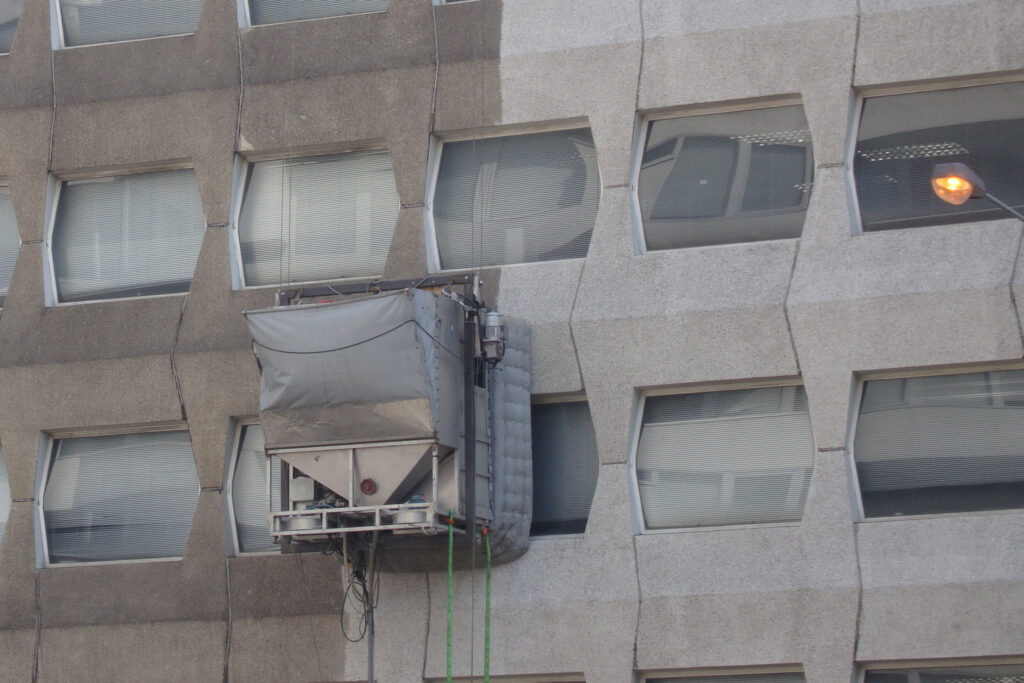
MAN-MADE MATERIAL - PRECAST PANELS
These prepared, cast and cured off-site panels have allowed for fast, economical, and practical construction overcast-in-place concrete. The ingress of water between the joints can give rise to structural issues. Older properties need to have their façades regularly inspected, cleaned, and maintained to prevent significant structural issues.
The use of the non-aggressive, scaffold-free Façade Gommage cleaning system offers the best solution to clean the precast panel façade of historic and commercial buildings.
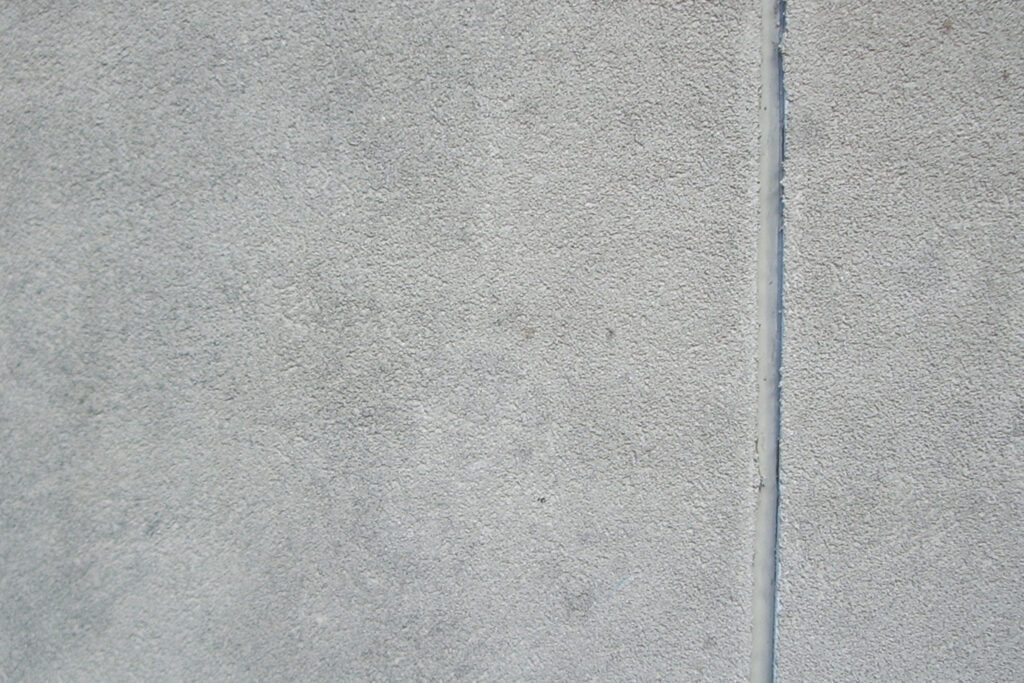
MAN-MADE MATERIAL - CONCRETE
Comprised of fine and coarse aggregate, which is bonded with a liquid cement that sets and cures over time. Has been used for over 2000 years and is the world’s most used building material. The durability and long service life, coupled with excellent fire resistance and ease of use, have made it a common material used in modern commercial buildings. Will discolour significantly over time, especially in busy urban areas and regions with high rainfall, allowing environmental pollutants and biological films to stain the surface.
The use of the non-aggressive, scaffold-free Façade Gommage cleaning system offers the best solution to clean the concrete façade of historic and commercial buildings.
MAN-MADE MATERIAL - LIME RENDER
A traditional, breathable façade material which can often be found on historic and heritage buildings. Made from a mixture of lime, sharp sand, water, and sometimes, optional natural or synthetic fibres are added to improve bonding. The use of standard water and chemical cleaning methods can lead to etching and damage to the surface, which leads to water ingress and possible structural damage to the building.
The use of the non-aggressive, scaffold-free Façade Gommage cleaning system, offers the best solution to clean lime render façades of historic and heritage buildings.
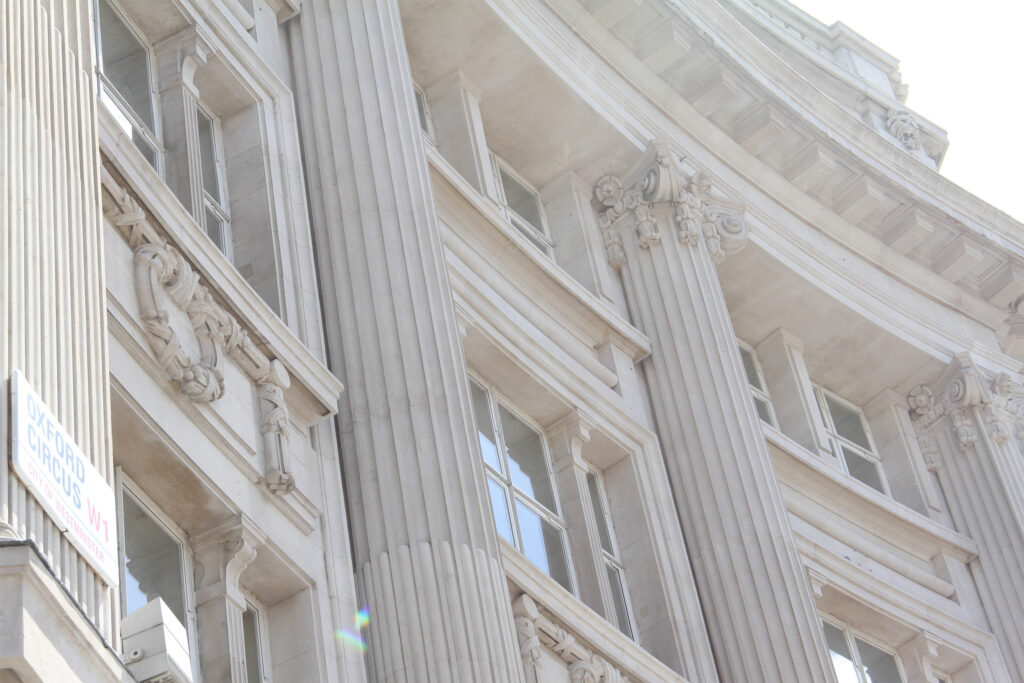
Every façade tells a different story and requires a bespoke approach to conservation. Whether you are managing a Grade I listed Portland stone landmark or a modern precast commercial development, understanding the different façade materials and their substrates is the first step toward successful stewardship.
Call our team TODAY on +44 (0) 20 8453 1494 or alternatively use the contact us form to arrange a professional façade survey or cleaning from Styles Façade Solutions® (formerly Thomann-Hanry®). We can also help you preserve the value and integrity of your building with our scaffold-free, non-abrasive cleaning and restoration services for commercial and heritage buildings.